Preventive Dentistry: 7 Things You Need to Know About Sugar and Your Dental Health
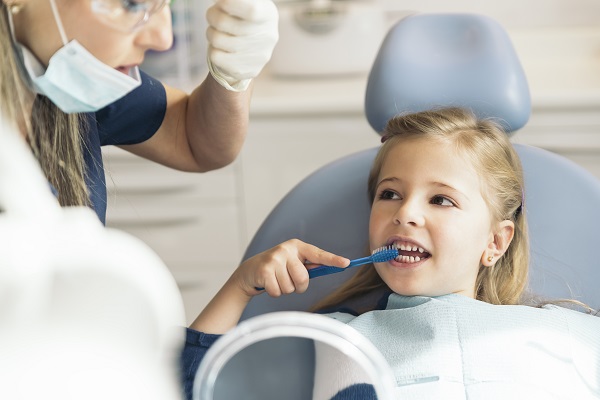
Preventive dentistry centers around a few core values: Practice good daily oral hygiene, never skip a dental cleaning and avoid sugar. Steering clear of sugary food and drinks is one of the pillars of dentistry.
Read on to discover the seven things you need to know about the connection between sugar and tooth health.
7 Ways sugar and your dental health are connected
1. Bacteria feeds on sugar
The mouth is teeming with bacteria, both good and bad. Everything we consume feeds these bacteria, groups of unicellular organisms which are nourished by starches and sugars. Colonized bacteria present as dental plaque. As a result of digestion, the bacteria produce acid. The acid then eats away at tooth enamel. This is what causes tooth decay, and eventually cavities.
Foods and beverages that are packed with sugar encourage exponential bacteria growth and can lead to a sharp increase in cavities.
2. Consuming food and drink high in sugar can negatively affect oral health
Sugary drinks to avoid: Sweetened coffee drinks, soda, lemonade, sweetened tea, orange juice, sports drinks, hot chocolate and alcoholic beverages. Lemonade and orange juice, on top of being sugary, are also high in acid. Adding acid into the equation can only make things worse. However, drinks like these are fine in moderation.
Make sure to avoid candy, cakes, pastries, syrup and acidic fruit like oranges or grapefruit. Sticky, sweet foods are the worst enemies of teeth. The combination of residue that sticks around and sugar is the perfect storm for the formation of tooth decay.
3. Sugar lowers your mouth pH
Any pH level below seven indicates an acidic environment in the mouth. When pH hits those levels, the saliva turns acidic and starts to disintegrate the enamel on teeth. The enamel is composed of minerals, and acidity breaks down these minerals and begins to dissolve the outer layer. This makes the tooth susceptible to decay.
4. Sugar inhibits the functionality of the salivary gland system
Sugary residue can change the composition of saliva, and can even lead to dry mouth. When saliva is unable to clean the teeth thoroughly, the teeth are at a heightened risk for cavities.
5. Dietary habits that cause cavities
Continual snacking or sipping throughout the day is far inferior to eating balanced meals and drinking plenty of water. Coffee and sugary drinks are highly acidic on top of the elevated sugar levels, so avoid them at all costs if you wish to have a healthy smile. If you must satisfy your cravings and cannot avoid these harmful beverages completely, sip them through a straw to minimize contact with the teeth.
Frequent snacking increases the time teeth are exposed to the destructive dissolving qualities of sugar.
6. Good oral hygiene
Proper oral hygiene is your first defense against a sugar-rich diet. Brushing your teeth after every snack or drink is not always doable, but remembering to brush your teeth at least twice per day can help to keep bacteria produced by sugar at bay. Practice good oral hygiene to encourage a routine backed by preventive dentistry and to fortify tooth structure against sugary attacks.
7. Dental cleanings and sugar
Cleanings can stave off the effects of sugar, but the tooth structure is still threatened by consuming high amounts of the sweet stuff. Even if teeth are professionally cleaned every six months, sugar can do an immense amount of damage between cleanings. This is why preventive dentistry plays such an important role in protecting teeth from the effects of sugar.
Request a dentistry appointment here: https://www.orthodonticprecision.com or call Precision Orthodontics & Pediatric Dentistry at (703) 391-8800 for an appointment in our Reston office.
Check out what others are saying about our services on Yelp: Preventive Dentistry in Reston, VA.
Recent Posts
A lot of people wonder if teeth straighteners like Invisalign® and playing sports are compatible. If you are active and involved in sports, you might think teeth straighteners and physical activity cannot mix. But many older teens and adults successfully use Invisalign while continuing to play sports. You may not want to choose between improving…
There are numerous ways to straighten teeth, and Invisalign® is an increasingly popular method. Unlike traditional braces that use metal or ceramic attachments hooked to a wire to pull the teeth straight over time, this treatment uses clear aligners that can be taken out when eating or brushing. For the desired results, it helps to…
Maybe you want to straighten your teeth, but you are looking for a more discreet method like Invisalign®. These aligners have exploded in popularity because they are a less obvious way to correct misaligned teeth. Many people with alignment issues who were unsure about braces have now embraced Invisalign. You might be on the fence…
Adult orthodontics is not only for teenagers. More adults choose orthodontic treatment to straighten their teeth, improve their bite, and feel better about their smile. While clear aligners get most of the attention, metal braces remain a practical and reliable option in adult orthodontic treatment. Modern braces are smaller and less bulky than older versions…