Common Treatment Plans Used by Orthodontists
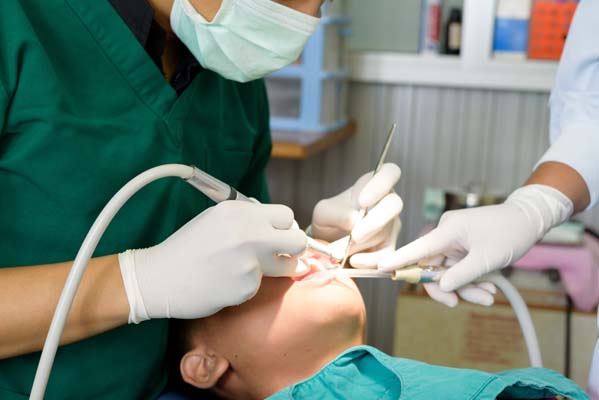
An orthodontist can come to the rescue when you are unhappy with the way your teeth look. You may have crooked teeth or crowded teeth. Perhaps you have bite dysfunctions such as a crossbite, overbite, or underbite. No matter what concerns you have, orthodontic treatment can give you the smile you have always wanted. It is helpful to be aware of the different options available.
Components of an orthodontic treatment plan
An orthodontist will formulate a custom-fit orthodontic treatment plan for the patient. This aims to correct the orthodontic problem. It may include other procedures that can help improve the patient’s oral health. Below are the different components of this type of treatment plan:
- The dentist’s diagnosis is based on the information from the clinical exams during the first consultation. The dentist will review the scans, photographs, and dental records to develop a sound treatment plan.
- Presenting the available options will be next. This will give the parent and patient different possible ideas of how to correct the dental problem. Some cases may need traditional braces. Others may need clear aligners or lingual braces. There could also be a combination of treatments if the patient needs them for better dental health.
- The dentist will explain the possible results of the treatment. The right software can show the parent and patient the projected outcome of the orthodontic treatment.
- Discussing the treatment length is also crucial. This is one of the main concerns of many patients. Every orthodontic treatment plan is different, depending on the patient’s case. The more complex the case is, the longer the treatment will be. Pre-treatments, such as dental extraction and fillings, may come first. These will help the orthodontic plan to work more quickly and effectively.
- Talking about the post-treatment is crucial to the success of the orthodontic treatment. When braces come off, retainers must follow. These removable or fixed retainers will ensure the effectiveness of the treatment.
Causes of crooked teeth and other orthodontic issues
When a person goes to the orthodontist for the first time, there may be a discussion about why the patient is there. What leads to orthodontic problems in the first place? It is a common question that patients and parents want to know. Some people think genetics is the main reason. This can be a factor, but it is not the most frequent cause.
More often, other issues lead to misaligned teeth and bite abnormalities. Orthodontists may detect that thumb-sucking was the reason for the crooked smile. Some people may have troubles because of breathing through their mouth for years and years. Teeth grinding can also contribute, as can traumatic injuries.
Braces
There was a time when braces would be the only option that an orthodontist would have. Other treatments are effective today, though traditional metal braces are still a good option. These consist of metal brackets and wires as well as elastic bands. The brackets put constant pressure on the teeth, moving them into the right places. The patient will come into the office every four to six weeks for adjustments to the braces. Normally, the patient will wear the braces for two to three years.
Clear aligners
Aligners are an alternative to braces. Many patients prefer this method because they are virtually invisible. Aligners are made of clear plastic and fit over the teeth. The orthodontist will give the patient a new pair every few weeks as the teeth move. Aligners are removable and should remain in the mouth for 21 to 22 hours a day. Another benefit of this option is that the treatment can be as short as six months and is usually not longer than two years.
Retainers
A retainer is a device that keeps teeth in place, preventing them from shifting. Usually, the orthodontist will recommend this treatment after a patient has worn braces or aligners. The retainer may be either permanent or removable. Removable retainers fit to the roof of the mouth or are mouthguard-like appliances. The patient should wear the retainer constantly for the first few months. Afterward, the orthodontist will direct the patient on how often to wear the appliance.
Your orthodontist will help you achieve the smile you want
It can be difficult living with crooked teeth and other orthodontic challenges. Treatment is available to correct these problems. Talk to your orthodontist today and find out which option makes the most sense for your needs and condition. You can have peace of mind and feel good about how you look. After wearing braces, aligners, or retainers, you do not have to hide your smile again.
Request an appointment here: https://www.orthodonticprecision.com or call Precision Orthodontics & Pediatric Dentistry at (703) 391-8800 for an appointment in our Reston office.
Check out what others are saying about our dental services on Yelp: Orthodontist in Reston, VA.
Recent Posts
If you have uneven or crooked teeth, you might be very self-conscious about it. Teeth straightening can correct this issue and give you the smile you want. But, some options are much more noticeable than others. Invisalign offers effective teeth straightening. It is discreet and almost unnoticeable. Gently correcting the teeth without the obvious flash…
Invisalign® and braces are very different tools that can give patients an even smile with straightened teeth. Because patients must wear teeth alignment devices for a while, you might wonder if you will need repairs to your device. Patients often wonder if one type of device needs more repairing than another. For most patients, one…
An effective and yet inconspicuous way to straighten the teeth, Invisalign® gives individuals the flexibility to enjoy a wide range of foods while undergoing the teeth straightening process. When compared to traditional braces that come with a long list of what can be eaten and what needs to be avoided, removable alignment trays bring more…
Dental fillings can feel unfamiliar to a child, but the right approach helps make the appointment calmer and easier. A pediatric dentist prepares young patients with clear explanations, gentle techniques, and reassurance. Comfort remains a priority from the first conversation through the bite check, as this care helps children build trust in the dental office…