The Process of Dental Bonding for Kids
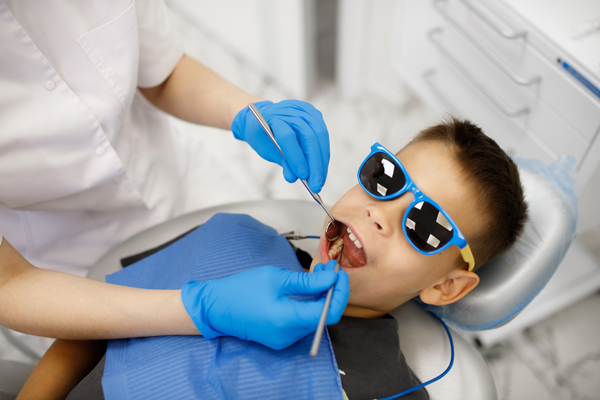
Dental bondings are great options for patients of all ages. Dental bonding for kids enables them to maintain an attractive smile and learn about the importance of caring for their teeth. Additionally, bonding may help protect a child’s smile from decay. In this review, we discuss the steps involved in the dental bonding process for children.
Kids dental bonding: What is the treatment process?
The dental bonding process may look different for every child based on the specifics of their situation. However, the general process involves a consultation, followed by the application and hardening of the composite resin material. Here is an overview of each step in the process.
The consultation
The treatment usually begins with a consultation visit. During the consultation, the dentist (and other dental staff members) meet with the child and their caretaker(s) who comes with them. They can discuss oral health and may review the child’s dental history. An oral examination and dental X-rays are also ordered and performed. Afterward, the dentist can provide a recommendation as to whether dental bonding is appropriate and can help the parent make an informed treatment decision.
Applying the composite resin
Once the parent (and the child) agree to the procedure and are comfortable, the procedure is scheduled. In some cases, dental bonding can be performed on the same visit as the consultation, or they may schedule a follow-up visit. The procedure begins by cleaning and preparing the teeth that are receiving the dental bonding.
Once the teeth are prepared, the dentist applies a layer of composite resin material. This is the tooth-colored material that makes up dental bonding. The resin material is then smoothed into place so it provides a natural and aesthetically-pleasing appearance. This is a painless process that only takes 15 to 30 minutes in most cases.
Hardening the resin with a UV light
The dental bonding material (composite resin) is then hardened into place after it is smoothed over each tooth that receives it. To do so, ultraviolet (UV) light is used. The patient may feel a warm sensation, but the hardening of the resin is a painless process.
Rinsing and aftercare instructions
The next step in the process is to rinse out the mouth and ensure that it feels fresh and clean to the child patient. Afterward, the dentist provides aftercare instructions to the parent and the child to ensure that they are able to protect their smile after the dental bonding procedure. A follow-up visit is then scheduled before the patient leaves.
FAQs about dental bonding for kids
It helps to have as much information as possible when deciding if dental bonding is right for a child. Here are several common questions that pediatric dentists receive about dental bonding for kids.
Can kids get dental bonding?
Some dentists limit certain cosmetic procedures to teenagers and adults. However, there are less-invasive and safer procedures that children can get. Dental bonding is one of the safest cosmetic procedures that kids are eligible to receive.
Is a dental bonding procedure painful for kids?
A dental bonding procedure is not painful for kids. The dentist is not working anywhere near the nerves. Instead, they are only working on the outermost layer of teeth. In fact, in most cases, sedation is not necessary for dental bonding.
How long does a dental bonding procedure take?
A dental bonding procedure usually takes an hour or less. The total visit time may be longer, as the dentist may answer questions before the procedure and provide clear care instructions after the dental bonding is complete.
When is a dental bonding procedure recommended?
A dental bonding procedure is recommended for kids who have an imperfection with one or more of their visible teeth. For instance, children who endure a chip or a crack due to a blow to the mouth during a trampoline accident may be a good candidate for a dental bonding procedure.
Improve and protect your child’s smile with dental bonding for kids
Does your child have severe stains, weakened enamel, and/or minor chips and cracks on visible teeth? If so, then they may be a good candidate for dental bonding for kids. Here at our office, we offer bonding procedures and work hard to ensure that children feel comfortable and have a pleasant experience. Please do contact us today in order to receive more information and to get started with a consultation visit.
Request an appointment here: https://www.orthodonticprecision.com or call Precision Orthodontics & Pediatric Dentistry at (703) 783-1489 for an appointment in our Reston office.
Check out what others are saying about our services on Yelp: Dental Bonding for kids in Reston, VA.
Related Posts
There are so many differences between traditional braces and Invisalign® aligners. You may be wondering which option is right for your alignment needs and if you will have to change your lifestyle. Many people choose to go through the Invisalign process because the trays are less conspicuous than traditional braces. Traditional braces can be very…
For a long time, if a person wanted straighter teeth, the only option was traditional braces. However, the introduction of Invisalign® in 1999 changed that. This treatment involves a series of clear plastic aligners that are custom-made to fit the patient's teeth and gradually guide the teeth into the desired position. Many patients prefer aligners…
For many patients, Invisalign® treatment is a good alternative to traditional braces. Treatment time is often shorter, and patients can maintain better oral hygiene during the process. This type of orthodontic treatment uses a series of clear aligners to straighten teeth. The patient wears the trays for 20-22 hours a day, only removing them for…
A dentist for kids, formally called a pediatric dentist, is the right person to talk to about the benefits of getting your children early dental care. A child’s dental health is just as important as other aspects of their physical development. Teeth are designed to last a lifetime when properly cared for, which includes good…