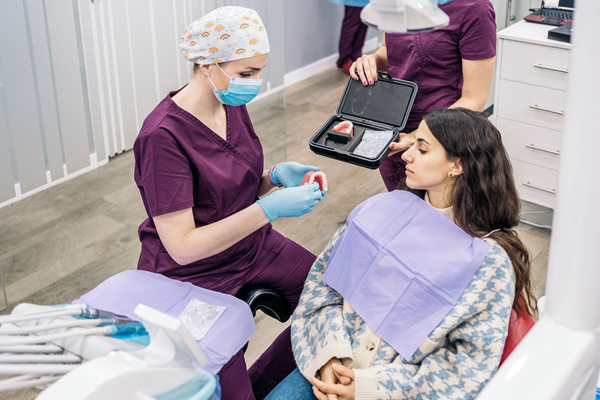
Preventive dentistry is one of the most effective ways to protect the teeth, gums, and jaw from future problems, especially during orthodontic treatment for kids. This approach helps detect issues early and keeps the mouth strong through each stage of life. Whether a child is just starting orthodontic care or preparing to transition to adult treatment, routine visits and daily care make a difference. Preventive steps go a long way in helping to prevent dental concerns later.
What is preventive dentistry?
Preventive dentistry focuses on the steps taken to prevent oral health problems before they start. It includes practices like regular dental exams, professional cleanings, proper brushing and flossing, and wearing protective gear like mouthguards. The goal of preventive dentistry is to maintain healthy teeth and gums, catch issues early, and reduce the need for more complex treatments later on. By taking care of the teeth and gums from an early age, patients can minimize or avoid many dental problems entirely.
Early habits shape future outcomes
Good oral habits begin at a young age, such as proper brushing and flossing. With help from a pediatric orthodontist, they can also learn about the importance of jaw growth, bite alignment, and routine checkups. These early steps are the foundation of preventive dentistry. By identifying problems before they worsen, orthodontists and general dentists can guide young patients toward a healthier path forward.
Regular exams and cleanings matter
Routine dental visits are a main part of preventive care. During these visits, the orthodontist or dentist checks for cavities, gum issues, or signs of poor bite alignment. Teeth cleanings remove plaque and tartar that brushing alone may miss. These steps protect the enamel and reduce the risk of tooth decay and gum disease. Regular cleanings help prevent buildup around brackets and wires for children in braces or other orthodontic appliances.
Orthodontics and prevention go hand in hand
Orthodontic treatment is not just for straightening teeth. It also plays a major role in preventive dentistry. Proper alignment supports better chewing, speaking, and oral hygiene. When teeth fit together well, they are easier to clean and less likely to wear unevenly. Orthodontists also check the growth of the jaw and guide it into the right position over time. This guidance helps avoid future problems such as crowding, bite issues, or even jaw discomfort.
Early evaluations can provide lifelong benefits
Pediatric dentists typically recommend an orthodontic evaluation by age seven. At this age, children have a mix of baby and permanent teeth, allowing orthodontists to spot early signs of trouble. Sometimes, treatment is not immediately necessary, but careful monitoring can make a big difference later. This early phase of preventive dentistry, called interceptive orthodontics, can guide the mouth’s growth and make future treatment easier or shorter.
Good hygiene is part of every care plan
Daily oral hygiene is a vital part of any dental care routine. For children in orthodontic treatment, brushing and flossing around braces or appliances takes extra time and effort. Orthodontists often provide tools and tips to help clean in hard-to-reach areas. Parents and caregivers can support these efforts at home, helping children develop habits that last into adulthood. These hygiene steps are key to preventive dentistry and protect the results of orthodontic treatment.
Nutrition and lifestyle support oral health
What a child eats affects the strength of their teeth. Foods high in sugar or starch can feed harmful bacteria and increase the risk of cavities. Orthodontists may talk with families about the best foods to support strong teeth and healthy gums. Limiting sugary drinks, avoiding sticky snacks, and drinking plenty of water are all part of preventive care. Wearing mouthguards during sports and avoiding habits like nail biting or chewing on pencils also protect the mouth from damage.
Monitoring growth and development
As children grow, their jaws, teeth, and facial structures change. Orthodontists monitor these changes to ensure healthy development. If a problem appears, early treatment may help prevent more complex care later. Preventive dentistry allows orthodontists to track these shifts and offer guidance at the right time. This leads to better outcomes and less invasive treatments in many cases.
The value of long-term planning
Preventive dentistry is not a one-time step but something that continues throughout life, adapting to the needs of each age. From childhood through the teen years and into adulthood, routine care helps keep the teeth and jaws healthy. With a strong plan in place, long-term oral health becomes easier to maintain.
Request an appointment here: https://www.orthodonticprecision.com or call Precision Orthodontics & Pediatric Dentistry at (703) 391-8800 for an appointment in our Reston office.
Check out what others are saying about our dental services on Yelp: Preventative Dental Care in Reston, VA.
Recent Posts
One factor you may consider when deciding between Invisalign® and braces is the potential for mouth pain and cuts. You may have a lot of concern about discomfort when correcting the alignment of your teeth. Not only can there be discomfort from moving the teeth into place, but also the corrective device can rub the…
Patients who choose Invisalign® are generally able to maintain a more normal lifestyle than patients wearing traditional braces. Patients with wire-and-bracket braces, or those who had such braces in the past, likely remember at least one instance in which they had to visit the emergency orthodontist to replace a part or fix a broken wire,…
Invisalign® dental aligners are an excellent option for patients who want to avoid the look and feel of traditional metal braces while straightening crooked teeth or closing gaps between teeth. Compared to braces, most observers do not realize when someone is wearing clear aligners.For this treatment, dentists take impressions of patients' upper and lower teeth…
If you have uneven or crooked teeth, you might be very self-conscious about it. Teeth straightening can correct this issue and give you the smile you want. But, some options are much more noticeable than others. Invisalign offers effective teeth straightening. It is discreet and almost unnoticeable. Gently correcting the teeth without the obvious flash…