What To Ask When Looking for the Best Orthodontist for Your Family
Finding the best orthodontist for your family involves more than simply selecting the nearest practice in the Reston area. Orthodontic treatment often spans months or even years, making it essential to choose a provider who can meet both clinical and personal needs. Knowing which questions to ask and information to consider can help ensure that the orthodontist you choose offers high-quality care, advanced treatment options, and a comfortable experience for every member of the family.
What are the orthodontist's qualifications and experience?
A primary consideration when searching for the best orthodontist is the provider's qualifications. Considering educational background, specific orthodontic training, and certifications can provide insight into professional expertise. In the United States, orthodontists complete at least two additional years of training beyond dental school. Then, they will need to obtain board certification from the American Board of Orthodontics. Additionally, patients should inquire whether the selected orthodontist participates in continuing their education or is a member of local or state associations to stay updated on evolving techniques, treatments, and technologies.
What orthodontic treatment options are available?
The best orthodontist should provide a range of treatment solutions. Some of the most common treatments include:
- Traditional metal braces
- Clear aligners
- Ceramic braces
- Lingual braces
- Retainers
Each option has unique advantages depending on the patient's age, oral health, and lifestyle habits and preferences. Members of the family should understand the benefits and limitations of each type of treatment to confirm that the orthodontist offers the most suitable treatment plan based on each person's needs and goals.
How does the orthodontist determine the right treatment?
A reputable orthodontist will perform a thorough assessment before creating a treatment plan. This treatment plan typically includes digital imaging, dental impressions, and evaluating the patient's jaw alignment. They should consider how the orthodontist explains treatment goals, estimated timelines, and potential challenges. Clear communication with the dental specialists helps ensure that every family member understands the process and expectations before treatment begins.
What technology does the orthodontist use?
Modern orthodontics relies heavily on cutting-edge technology to improve patient comfort, treatment efficiency, and accuracy. Prospective patients should ask whether the orthodontist uses digital imaging, 3D treatment planning, or intraoral scanners instead of traditional molds. Technology can improve diagnostic precision, reduce treatment times, and create more comfortable experiences. Additionally, it can be beneficial to know whether the orthodontist offers telehealth follow-up appointments, which can reduce the frequency of in-person visits while still tracking progress effectively.
What is the office environment like?
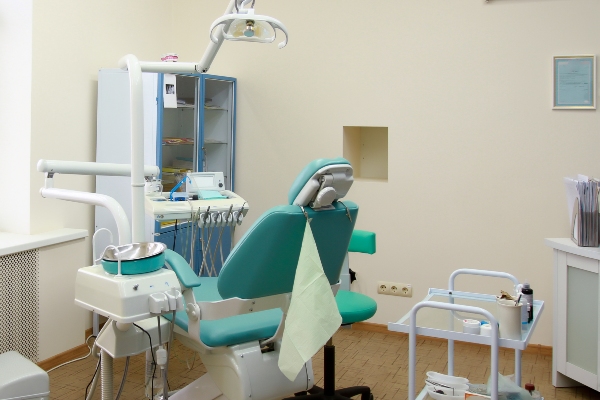
Since orthodontic treatment often requires multiple visits over a period of months or years, the office environment is another important consideration before choosing an orthodontist. Ask about waiting room amenities, child-friendly features, and overall cleanliness. A welcoming atmosphere can make routine visits less stressful for younger patients and more convenient for adults.
Does the orthodontist offer emergency services?
Orthodontic emergencies, such as broken brackets or loose wires, can be uncomfortable and disruptive to the patient's treatment plan. It is important for prospective patients to know ahead of time if the orthodontist handles urgent situations. Inquire about weekend office hours, after-hours contact procedures, and how quickly the staff can address emergency appointments.
What are the financial and insurance options?
Treatment costs can vary depending on the complexity of the patient's case and the type of appliances used. The best orthodontist and their team will provide a transparent estimate that includes all fees for diagnostics, appliances, adjustments, and follow-up care. Ask about payment plans, financing options, and whether the office works with specific dental insurance providers. Clear financial information can help avoid unexpected expenses and out-of-pocket costs during the treatment plan.
How does the orthodontist approach follow-up care?
In most cases, orthodontic care does not end once the initial treatment ends. Long-term success depends on patient compliance and follow-up visits. Ask how the orthodontist monitors results, the recommended schedule for check-ins, and the types of retainers that they offer. Consistent aftercare following orthodontic treatment helps patients of all ages maintain a healthy and well-aligned smile for years to come.
What do current and former patient testimonials reveal about the orthodontist?
Feedback and testimonials from other patients can provide valuable insight into the orthodontist's skill, professionalism, and office experience. Families should look for online reviews, testimonials, or ask if the orthodontist can provide references to check their work. Consistent positive feedback often reflects strong patient satisfaction and trust.
Find the best orthodontist for your family in the Reston area
Choosing the best orthodontist for your family is an intensive process. However, it is worth it in order to create a positive and rewarding orthodontic experience for every member of the household. Do you have questions about Precision Orthodontics & Pediatric Dentistry 's orthodontic services? Call our Reston office to learn more or schedule a consultation.
Request an appointment here: https://www.orthodonticprecision.com or call Precision Orthodontics & Pediatric Dentistry at (703) 391-8800 for an appointment in our Reston office.
Check out what others are saying about our dental services on Yelp: Orthodontist in Reston, VA.
Recent Posts
To progressively and accurately straighten teeth, Invisalign® employs cutting-edge technologies, including computer modeling and computer-assisted manufacturing. Read on to learn more about this teeth-straightening option. The patient, as with any orthodontic therapy, plays an important part in the process. The quality and timeliness of your outcomes all depend on the patient's dedication to treatment instructions.The…
Are you considering Invisalign® treatment? Read on to learn about some of the benefits of opting for this teeth-straightening treatment. According to the American Dental Association, teeth straightening is more than just for cosmetic purposes; it may help your overall oral health. While conventional metal braces are still widely used, modern technology has enabled the…
Patients undergoing Invisalign® treatment often want to know how long they will need to wear their aligners. Read on to learn how long the aligners need to be worn. Several variables determine the length of Invisalign treatment, and one of the most important is how long you wear your aligners each day.Invisalign treatment can take…
It may take a few days to become accustomed to Invisalign®, as with any orthodontic device. Continue reading to find out more about how Invisalign may affect speech. Invisalign trays fully cover the teeth, giving them a somewhat thicker appearance and feel. Some individuals may notice a little, transient alteration in their speech for the…