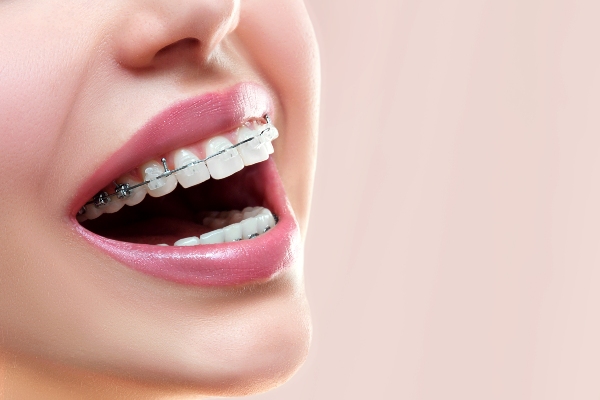
Braces are a popular orthodontic treatment to align teeth and correct dental misalignments. They have proven to be effective in achieving a straighter and healthier smile. However, with advancements in orthodontic technology, various types of braces are now available to suit different needs and preferences.
How to choose the right type of braces
When considering braces, it is important to consult with an orthodontist who can assess one's specific dental needs and determine if braces are a suitable option. Factors such as the severity of the misalignment, treatment duration, lifestyle factors, and personal preferences should be taken into account when choosing a specific type of braces.
Each braces type offers its own advantages and disadvantages, and what may work well for one patient may not be suitable for another. The orthodontist will provide valuable insights and help guide each patient toward the most appropriate treatment option based on each patient's individual needs.
Types of braces
Metal braces
Metal braces are the most traditional and commonly used type of braces. They consist of metal brackets bonded to the front surfaces of the teeth and connected by metal wires. Although metal braces are visible, they are highly effective in correcting severe misalignments and providing precise tooth movement. Metal braces offer many advantages, such as their ability to correct complex dental issues and their affordability compared to other options.
Ceramic braces
Ceramic braces are similar to metal braces in structure but use tooth-colored or clear ceramic brackets, making them less noticeable. This makes ceramic braces a popular choice among those concerned about traditional braces' aesthetic appearance. The wires used with ceramic braces can also be tooth-colored, further reducing their visibility. Dental professionals will likely recommend these braces to those with mild to moderate misalignments.
Lingual braces
Lingual braces are another discreet option as they are placed on the back surface of the teeth, making them virtually invisible from the front. These braces are an ideal choice for those wishing to straighten their teeth without the appearance of braces. Lingual braces are custom-made using advanced technology and can effectively address moderate to severe misalignments. Dental professionals may recommend these braces to adults as they are likely to be more proactive and diligent with oral care.
Self-ligating braces
Self-ligating braces are similar in appearance to traditional braces but use a different mechanism. They do not require elastic or metal ligatures to hold the wires in place; they have built-in clips or doors that secure the wires. These braces offer several advantages, including fast treatment times, improved comfort, and easier maintenance. They are also capable of correcting mild to severe misalignment cases.
Discover the right braces for you
The availability of different types of braces offers flexibility and choice in orthodontic treatment. Scheduling a consultation at our Reston office can help you determine the pros and cons of each option and which is best for you. If you are considering braces or need more information, contact us today to schedule an appointment.
Request an appointment or call Precision Orthodontics & Pediatric Dentistry at 703-391-8800 for an appointment in our Reston office.
Recent Posts
Your orthodontist has many options and approaches available to straighten your teeth and correct other issues. You can have peace of mind to know that each solution can be effective and help you to achieve a new smile. You can then feel good about your appearance and have more self-esteem. If part of your treatment…
Can treatment from an orthodontist help with daily functions such as speaking and chewing? Read on to learn more. Bite correction from an orthodontist has several health benefits, including enhanced aesthetics, clearer speech, and improved chewing, biting, and jaw functions. This type of dental specialist can help you figure out whether your bite is misaligned…
An orthodontist might recommend devices like braces or clear aligners to help straighten your teeth. Both of these appliances work by applying a gentle, constant force on teeth, slowly moving them to a better position over the course of your treatment. Orthodontic issues are pretty common, and the American Association of Orthodontics states up to…