The Benefits of Digital X-Rays
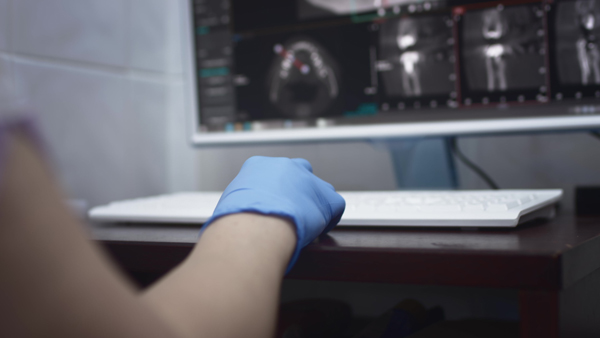
Digital X-rays have transformed the way that orthodontists diagnose and monitor jaw misalignments. By offering clearer images with reduced exposure to radiation, digital X-rays provide an advanced, efficient, and safe alternative to traditional film-based diagnostic imaging systems. Orthodontic processes that integrate digital X-rays enhance their quality of care and diagnostic abilities, leading to more efficient orthodontic treatment planning and higher patient satisfaction.
Digital X-rays vs. traditional film X-rays
Traditional film X-rays were first used in 1895. However, orthodontists and other dental professionals have been gradually transitioning to using digital X-rays. Unlike X-rays, which use sensitive photographic film or paper, digital X-rays utilize small tablets to generate images, transmitting those images nearly instantly to a computer.
Conventional X-rays produce a "negative" image on a "bite-wing" film placed in the patient's mouth. This method requires additional equipment for enlargements, resulting in increased film grain and distortion. In contrast, digital X-rays use flat digital sensors connected to a computer with a thin wire, where the resolution depends on the sensor's megapixels. The image can then be enlarged immediately until it is fully pixelated. While both types can suffer from artifacts and errors, most dental professionals agree that digital X-rays offer sharper, cleaner images that are more accurate for interpretation.
The benefits of digital X-rays in orthodontic care
Increased diagnostic accuracy
One of the most significant benefits of digital X-rays is the clarity and detail they provide. High-resolution images allow orthodontists to closely examine bone structure, root positioning, and tooth alignment with greater precision. This improved visualization leads to more accurate diagnoses and better-informed treatment planning. With digital X-rays, orthodontists can detect early signs of impacted teeth, bone loss, or root resorption that may not be visible with traditional X-ray film.
Digital X-rays also allow for real-time manipulation of images. The orthodontic team can immediately adjust brightness, contrast, and zoom features to facilitate better analysis and interpretation. This ability enables a more accurate assessment of orthodontic issues and the identification of risk factors that may impact the patient's orthodontic treatment outcome.
Lower exposure to radiation
Digital X-rays require significantly less radiation than conventional X-rays. For patients undergoing orthodontic treatment, this reduction in radiation exposure is particularly important. Orthodontic care often involves multiple imaging sessions to monitor progress and adjust treatment plans. Using digital X-rays ensures that these repeated scans can be performed safely and with minimal risk to patient health.
The reduced radiation levels also make digital X-rays more appropriate for younger patients. With a considerable percentage of orthodontic patients being children and adolescents, it is important for their developing brains not to be exposed to high levels of radiation. This technology aligns with the principle of ALARA ("as low as reasonably achievable"), allowing dental professionals to minimize both their and their patient's exposure to radiation.
Immediate access to diagnostic images
Unlike traditional film, which requires chemical processing, digital X-rays produce images instantly to a computer. This efficiency enables orthodontists to make quick and accurate decisions. It also reduces the amount of time that patients need to spend in the office.
Immediate access to diagnostic images streamlines the workflow within the orthodontic practice. The orthodontic team can store, retrieve, and share images as needed, which improves coordination between team members and improves overall patient care. Additionally, digital files can be transmitted electronically to other dental specialists, which facilitates collaborative treatment plans and monitoring when necessary.
Improved patient education and communication
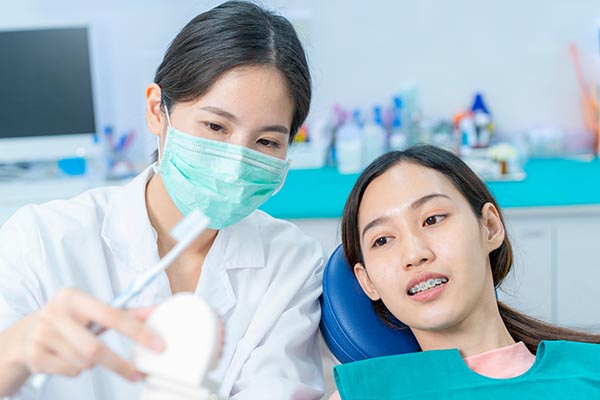
Digital X-rays contribute to better communication between orthodontists and their patients. The ability to display images on a monitor allows the orthodontist to visually explain the X-rays findings and recommend the appropriate treatment plan. When patients seeking orthodontic care can see clear and detailed images of their teeth and jaw alignments, they can better understand their condition, as well as the orthodontist's proposed treatment plan.
This visual communication also fosters greater patient engagement and trust. A trusting relationship between an orthodontist and their patient is crucial, especially in complex cases or those that require a long-term commitment. While technical terminology in orthodontic care may be challenging for some patients to understand, accurate and accessible diagnostic imaging provides the necessary context and clarity throughout the treatment process.
Schedule an appointment at our Reston practice
Digital X-rays offer accurate and safe diagnostic images that can help improve your orthodontic treatment. Do you have questions for the Precision Orthodontics & Pediatric Dentistry team? We are here to help. Call our Reston office to learn more about how we use digital X-rays or to schedule an appointment.
Request an appointment here: https://www.orthodonticprecision.com or call Precision Orthodontics & Pediatric Dentistry at (703) 391-8800 for an appointment in our Reston office.
Check out what others are saying about our services on Yelp: Read our Yelp reviews.
Recent Posts
Your orthodontist has many options and approaches available to straighten your teeth and correct other issues. You can have peace of mind to know that each solution can be effective and help you to achieve a new smile. You can then feel good about your appearance and have more self-esteem. If part of your treatment…
Can treatment from an orthodontist help with daily functions such as speaking and chewing? Read on to learn more. Bite correction from an orthodontist has several health benefits, including enhanced aesthetics, clearer speech, and improved chewing, biting, and jaw functions. This type of dental specialist can help you figure out whether your bite is misaligned…
An orthodontist might recommend devices like braces or clear aligners to help straighten your teeth. Both of these appliances work by applying a gentle, constant force on teeth, slowly moving them to a better position over the course of your treatment. Orthodontic issues are pretty common, and the American Association of Orthodontics states up to…
Are you thinking of visiting an orthodontist to treat your smile? There are various problems that can hamper your appearance and make you feel embarrassed. If you have crowded teeth, you may want to know what is causing this issue. An orthodontic professional can help resolve any concerns you have and give you the information…