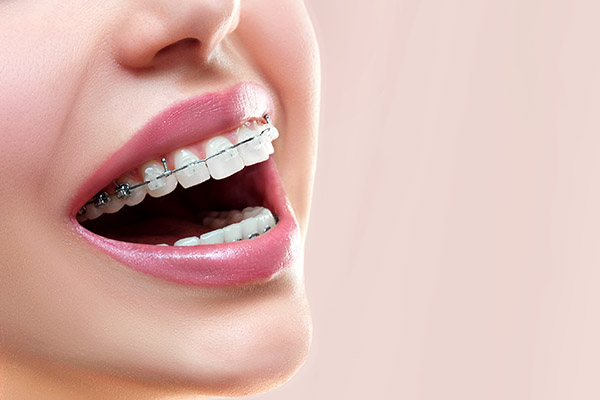
To straighten crooked teeth, braces are a viable and effective treatment. Teens and adults alike can benefit from this orthodontic care. If you are unhappy with your smile, you should speak with an orthodontist about whether you are a good candidate for this method. Your needs and goals will differ from other patients. Still, the process is similar, and the steps to fixing your teeth can produce the results you want.
Problems that braces can repair
It is not uncommon for people to want to change their smile. Various issues can hinder a person’s appearance and cause embarrassment. Orthodontists frequently treat patients who have crooked teeth. Braces can also address bite abnormalities such as crossbite, underbite, or overbite.
Other common problems include gaps in the mouth and crowded teeth. Wearing braces are also helpful for people who have abnormally small or large teeth. A patient with worn-down teeth can also get a new smile. This treatment is effective for minor, moderate, and severe problems.
Consultation with the orthodontist
Orthodontic work can begin as early as age 7. Many patients are in their teens, while adults are getting braces more often as well. The first step is to meet with the orthodontist for a consultation. At this meeting, the patient (and parents, if the patient is a child or teen) will express the treatment goals and express any concerns they have. The orthodontist will talk about the process of getting braces and what to expect from wearing them. Next, a staff member will take X-rays, and the orthodontist will do a brief exam.
Devising a treatment plan
Based on the exam, impressions, and X-rays, the orthodontist will create a treatment plan for the patient. The orthodontist will share the treatment plan with the patient, including the length of the treatment and the costs. There may also be some preliminary work, such as pulling any baby teeth. In some cases, the patient may need extractions of impacted teeth.
Putting on the braces
At a subsequent appointment, the patient comes to the office to get the braces. The appointment usually takes about 90 minutes. The orthodontist will clean the teeth and then attach the brackets with dental cement. A wire goes through the brackets, and elastics hold the wire in place.
Adjustments
Every few weeks, the patient will return to the orthodontist’s office for follow-up appointments. At these visits, the orthodontist will check on the progress of the treatment. The teeth will start moving soon after placement, so the orthodontist will make adjustments. These visits are faster and allow the patient to express any concerns.
Get the most out of your treatment
You may feel nervous and unsure about getting braces. But you can take comfort in knowing that your orthodontist has the training and knowledge to revive your smile. Being aware of the steps to getting braces can put you at ease. If you are ready to improve your appearance, make an appointment with an orthodontist to get started.
Request an appointment or call Precision Orthodontics & Pediatric Dentistry at 703-391-8800 for an appointment in our Reston office.
Recent Posts
Your orthodontist has many options and approaches available to straighten your teeth and correct other issues. You can have peace of mind to know that each solution can be effective and help you to achieve a new smile. You can then feel good about your appearance and have more self-esteem. If part of your treatment…
Can treatment from an orthodontist help with daily functions such as speaking and chewing? Read on to learn more. Bite correction from an orthodontist has several health benefits, including enhanced aesthetics, clearer speech, and improved chewing, biting, and jaw functions. This type of dental specialist can help you figure out whether your bite is misaligned…
An orthodontist might recommend devices like braces or clear aligners to help straighten your teeth. Both of these appliances work by applying a gentle, constant force on teeth, slowly moving them to a better position over the course of your treatment. Orthodontic issues are pretty common, and the American Association of Orthodontics states up to…