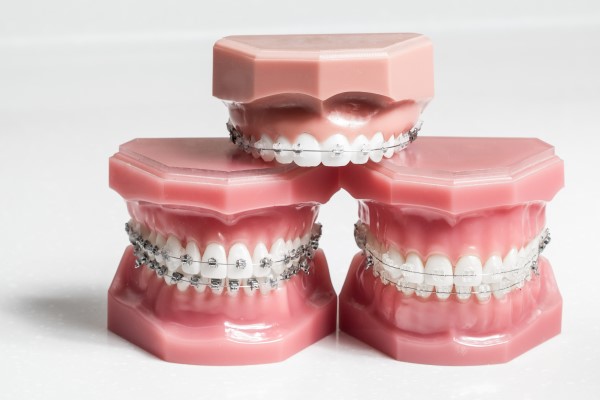
Braces are one of the most popular methods of orthodontic care. Unfortunately, all too many avoid treatment they desire and need out of fear that it costs too much. However, fortunately, there are affordable braces payment plans available. This review discusses questions you should ask your dentist about making braces treatment more affordable.
Affordable braces treatment: 7 questions to ask your dentist
The following are seven questions patients should ask their dentist about affordable braces during the consultation visit. This outline should help patients feel better about their payment plan and treatment.
What are the different types of braces?
A great place to start is discussing with your dentist all braces options. The purpose of the discussion can help patients determine the most affordable option that still enables them to reach their treatment goals. In addition, there is a range of braces types. Most notably, patients can choose between metal braces, ceramic braces, lingual braces, and clear aligners.
The available types may vary for each patient based upon the type and severity of misalignment they are addressing. For example, a patient with severely crooked teeth that are overcrowded may be best suited for metal or ceramic braces. In contrast, a patient with a minor issue (i.e., closing small gaps in teeth) may consider clear aligners more strongly.
What are the payment options for braces?
Many think they must pay the cost of braces entirely upfront. While this is an option and a way to lower the overall cost of your braces, other payment options are available. For example, if the patient has dental insurance, their provider may cover some or all of your braces costs. Your employer may also offer benefits that cover braces costs as well.
Additionally, a payment plan could be a great way to ensure more affordable braces. Many dentists offer payment plans for patients who cannot afford the entire cost of treatment initially. In other cases, you may be able to find outside financing (i.e., from a bank or credit union), although this may come at high-interest rates.
What do I do if my insurance or employer does not cover braces treatment?
Many who go through braces treatment do not have a dental insurance policy, so this is certainly not a deal-breaker. Payment plans are available, with many dentists offering affordable braces treatment. The best way to determine your options is to discuss them with the dentist during a consultation for braces.
How do payment plans work?
Payment plans specifically with the dentist may look different for each dentist. Payment plans, however, are usually between 12 and 24 months with a down payment. Discuss the payment plan details with the dentist during your first few initial visits.
What additional treatments do I need?
Patients should also consider the other treatments they need (and their costs). Be sure to ask the dentist about all preliminary treatments to prepare the mouth for braces. This may include (but not be limited to) wearing spacers, repairing damaged teeth, filling cavities, and extracting teeth (especially wisdom teeth for adults). Wear a palatal expander, and other early orthodontic treatments may be recommended for children.
How much does the treatment plan cost?
It is never a bad idea to ask the dentist plainly about how much the treatment plan costs. This should include all treatments before braces begin, the braces cost, and post-care costs (i.e., retainer cost, etc.). This can help you determine if paying all at once or over time with a payment plan is right for you. It can also help you understand how much you owe out of pocket if your dental insurance or employer partially covers the cost of braces.
How long does braces treatment take?
It helps to understand how long the treatment process takes. This is especially the case if you are making payments throughout braces treatment. In most cases, braces take between 18 and 24 months; invisible braces (or clear aligners) may only take as little as six months. However, every patient is unique, and treatment times can vary substantially.
Get braces treatment started with a consultation visit
Are you considering braces treatment for yourself or your child? If so, contact our orthodontic team today to schedule your first visit. After that, you can reach us by phone or message. During your consultation, we can discuss your treatment options and create a treatment plan that works for your budget, schedule, and goals.
Request an appointment here: https://www.orthodonticprecision.com or call Precision Orthodontics & Pediatric Dentistry at (703) 391-8800 for an appointment in our Reston office.
Check out what others are saying about our services on Yelp: Read our Yelp reviews.
Recent Posts
There are numerous ways to straighten teeth, and Invisalign® is an increasingly popular method. Unlike traditional braces that use metal or ceramic attachments hooked to a wire to pull the teeth straight over time, this treatment uses clear aligners that can be taken out when eating or brushing. For the desired results, it helps to…
Maybe you want to straighten your teeth, but you are looking for a more discreet method like Invisalign®. These aligners have exploded in popularity because they are a less obvious way to correct misaligned teeth. Many people with alignment issues who were unsure about braces have now embraced Invisalign. You might be on the fence…
Adult orthodontics is not only for teenagers. More adults choose orthodontic treatment to straighten their teeth, improve their bite, and feel better about their smile. While clear aligners get most of the attention, metal braces remain a practical and reliable option in adult orthodontic treatment. Modern braces are smaller and less bulky than older versions…
FastBraces® can help some patients straighten their teeth more quickly than traditional metal braces or even ceramic braces. This approach is designed to move the tooth crown and root more efficiently from the very start of treatment. A dental provider can explain how FastBraces works, whether it is a good fit for the patient’s case,…