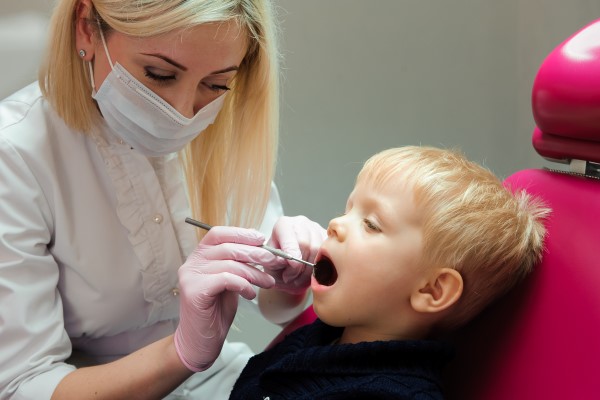
A preventive dentist for kids can help to educate your child about the importance of oral hygiene and teach them ways to properly brush and floss their teeth. Good oral hygiene goes a long way when it comes to keeping teeth free of tooth decay and gum disease.
Gum disease is pretty rare for young children, but it can develop in some cases. Many oral conditions are caused by bacteria in the mouth. These germs feed on the sugars in food particles that are left on a person’s teeth, and they convert them into acids that eat away at teeth surfaces.
Tooth decay is one of the most common dental issues young children deal with, and it can lead to baby teeth falling out prematurely. This is a huge problem since these teeth serve as placeholders for the child’s permanent teeth. Taking good care of teeth can help to prevent decay from occurring.
A pediatric dentist for kids shares oral hygiene tips
Children who develop good oral hygiene habits early on in life typically keep up with the practice in their adult years. Here are some tips from our preventive dentist for kids:
1. Brush twice daily
Some dentists recommend brushing after every meal, but good luck trying to get a child to do that consistently. Brushing twice a day is just as effective, especially if the child brushes right before going to bed.
This is the most vulnerable time for teeth since saliva production is reduced during sleep. Saliva helps to remove bacteria and acids from teeth surfaces, so the mouth becoming dry during sleep makes it easier for bacteria in the mouth to damage teeth.
Brushing right before going to bed helps to remove sugars that can be converted into acids from teeth surfaces and plaque that has built up on their teeth during the day. That starves oral bacteria of the food they need to damage teeth.
Pediatric dentists recommend brushing your child’s teeth with a soft-bristled toothbrush by making soft, gentle circles. Brushing teeth too hard can damage enamel and gum tissues.
2. Flossing
Flossing becomes important as your child gets older. Young children tend to have large spaces between their teeth, so a toothbrush can be used to clean their sides. As they get older, more of their teeth erupt, and their interdental spaces will start closing up. At that point, parents should start teaching the child about the importance of flossing and show them proper flossing techniques. Flossing once per day is good enough to clean interdental spaces.
3. Biannual pediatric dental cleanings
These treatments are performed to remove tartar deposits on children’s teeth. Tartar is calcified plaque that cannot be removed by brushing. A scaler or sonic tool is used to break down these deposits and remove them.
4. Therapeutic mouthwash
A therapeutic mouthwash goes a long way in protecting teeth against gum disease and tooth decay. Mouth rinses fall under one of two categories: cosmetic and therapeutic. Cosmetic mouthwashes help clean the mouth and cover up unpleasant smells. Therapeutic mouthwashes have active ingredients like fluoride that help to protect teeth against decay. Therapeutic mouthwash helps to reduce tartar formation on teeth while keeping bacteria populations in the mouth to a minimum. Using a therapeutic mouthwash after brushing and flossing teeth provides an extra layer of protection.
5. Keep sugary drinks to a minimum
Bacteria in the mouth consume sugars and convert them into acids that damage teeth. Denying these microorganisms the fuel they need to form acids, plaque, and tartar goes a long way in protecting teeth against tooth decay and gum disease.
People who have a sweet tooth often find themselves dealing with issues like cavities. The worst thing a child can do is consume sweet things all day long. That means the bacteria in the mouth get all the fuel they need to cause dental issues like gum disease and tooth decay.
6. Substitute sweet drinks with water
Water helps to neutralize acids made by oral bacteria, and it washes them away along with food particles and debris in the mouth. Water also keeps the mouth moist; something oral bacteria do not like. These microorganisms tend to thrive in dry environments.
Encourage your child to drink more water between meals to protect their teeth against acids made by oral bacteria. People who sip on water all day are less likely to develop issues like cavities.
Visit us for more tips
Routine dental appointments give your dentist a chance to evaluate your child’s developing teeth and the effectiveness of their oral hygiene habits. Call or stop by our Reston clinic to set up an appointment with our preventive dentist for kids.
Request an appointment here: https://www.orthodonticprecision.com or call Precision Orthodontics & Pediatric Dentistry at (703) 391-8800 for an appointment in our Reston office.
Check out what others are saying about our services on Yelp: Read our Yelp reviews.
Recent Posts
An effective and yet inconspicuous way to straighten the teeth, Invisalign® gives individuals the flexibility to enjoy a wide range of foods while undergoing the teeth straightening process. When compared to traditional braces that come with a long list of what can be eaten and what needs to be avoided, removable alignment trays bring more…
In recent years, Invisalign® has become increasingly popular to straighten misaligned teeth. There are many benefits of this type of orthodontic treatment over traditional braces. Patients can remove the aligners to brush and floss the teeth, making oral hygiene measures much easier. Treatment time is often shorter, and the clear trays are not as noticeable…
Dealing with crooked teeth can be a challenge. Many patients have found that Invisalign® trays can provide the same results as standard orthodontics but with less force. In addition, this option is often faster and can even go unnoticed by others. The nature and design of the aligner trays make them an excellent alternative to…
Your orthodontist has many options and approaches available to straighten your teeth and correct other issues. You can have peace of mind to know that each solution can be effective and help you to achieve a new smile. You can then feel good about your appearance and have more self-esteem. If part of your treatment…