Pediatric Dental Services for Baby Teeth
From the time that your child's first tooth comes in, pediatric dental services offer you a way to protect their new smile. Although their primary teeth are temporary, taking care of them has lasting implications for speech, nutrition, and alignment of permanent teeth. Early, structured dental support can help your child build a strong foundation for lifelong oral health.
The importance of caring for baby teeth
Baby, or primary, teeth serve as the building blocks of a child's oral health. While these teeth do eventually fall out, they serve an important role in a child's early years. They allow a child to chew nutritious foods, which supports overall physical growth. Furthermore, baby teeth act as placeholders for the adult teeth under the gums. If a child loses a primary tooth too early, the permanent tooth may not have enough room to emerge.
These early teeth also influence how a child speaks and communicates. Clear speech depends on how the tongue presses against the teeth to form specific sounds. By prioritizing the health of the primary teeth, parents ensure that their children can socialize with confidence. Additionally, consistent professional care prevents the pain and infections that can distract a young person from playing or engaging with their friends.
Common pediatric dental services
Pediatric dental services range from first check-ups to advanced tooth protection. These offices focus on children's needs and use special tools sized for kids to ensure comfortable exams. These services include:
- Gentle cleanings to remove plaque and tartar buildup
- Detailed exams to monitor jaw growth and tooth alignment
- Fluoride treatments to strengthen enamel against decay
- Child-friendly education on how to brush and floss at home
- Early orthodontic assessments
These proactive steps can prevent small issues from becoming major dental problems.
Cavity prevention for primary teeth
Tooth decay is a frequent challenge for young children, particularly because the enamel on baby teeth is much thinner than it is on adult teeth. A small cavity can grow into an infection much faster than parents realize. Children are also more prone to decay because they frequently eat sugary snacks and may still be learning how thoroughly to clean their teeth.
Pediatric dental services help mitigate this risk through regular monitoring and preventive measures. For example, dental sealants act as a barrier for the teeth. They fill in the deep grooves on the chewing surfaces where food particles get stuck. As bacteria cannot settle in those grooves, cavities are less likely to form. Regular fluoride toothpaste use also works to remineralize the enamel, keeping the child's primary teeth strong against acid and bacteria.
Turning check-ups into a positive experience
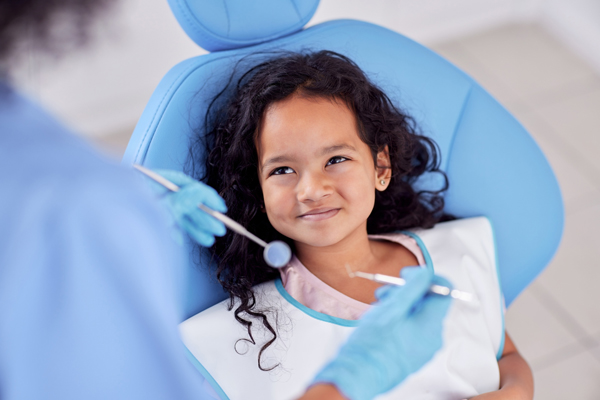
Many adults have dental anxiety stemming from negative childhood experiences. Fortunately, modern pediatric dental services aim to change that by using a tell-show-do technique. Dental providers explain and demonstrate the use of tools on a child's fingernail or a stuffed animal before using them. The office is designed to be bright and playful, helping children feel safe and informed. This positive experience encourages them to maintain good oral health as they grow up.
Nutrition and home care habits
What a child eats and drinks directly affects the strength of their teeth. Sugary snacks and juices provide fuel for the bacteria that cause decay. Establishing a routine that emphasizes water and whole foods is one of the best ways to support the work done during a dental appointment.
Families can help their children keep their mouths healthy between visits by focusing on the following habits:
- Drinking plain water instead of soda or juice throughout the day
- Eating crisp fruits and vegetables
- Limiting the intake of hard and sticky candies
- Consuming dairy products like cheese and yogurt for calcium
- Establishing set meal times to reduce constant snacking
Focusing on these dietary options provides the child's teeth with the nutrients they need to remain healthy.
Growing toward a healthy smile
As a child grows, their dental needs will change. What starts as a simple check-up for a toddler eventually turns into orthodontic assessments and monitoring for bite or teeth alignment issues. Having a consistent provider ensures a complete record of the child's oral development. This history allows the dental provider to detect subtle changes in the bite or jaw alignment that a parent might miss. By staying on top of these visits, families can avoid dental emergencies and keep their children's smiles healthy and bright.
Keep your child's smile bright and healthy
Investing in pediatric dental services is one of the most important ways you can support your child's oral health. When you start early, you give them the tools they need to maintain a beautiful, functional smile as they get older. Call our team to learn more about our services or to schedule a consultation.
Request an appointment here: https://www.orthodonticprecision.com or call Precision Orthodontics & Pediatric Dentistry at (703) 391-8800 for an appointment in our Reston office.
Check out what others are saying about our services on Yelp: Read our Yelp reviews.
Recent Posts
Maybe you want to straighten your teeth, but you are looking for a more discreet method like Invisalign®. These aligners have exploded in popularity because they are a less obvious way to correct misaligned teeth. Many people with alignment issues who were unsure about braces have now embraced Invisalign. You might be on the fence…
Adult orthodontics is not only for teenagers. More adults choose orthodontic treatment to straighten their teeth, improve their bite, and feel better about their smile. While clear aligners get most of the attention, metal braces remain a practical and reliable option in adult orthodontic treatment. Modern braces are smaller and less bulky than older versions…
FastBraces® can help some patients straighten their teeth more quickly than traditional metal braces or even ceramic braces. This approach is designed to move the tooth crown and root more efficiently from the very start of treatment. A dental provider can explain how FastBraces works, whether it is a good fit for the patient’s case,…
You may know that Invisalign® is different than traditional braces, but you may not know all the reasons why. Both Invisalign and traditional braces straighten your teeth and correct other issues, but in very different ways. For many, Invisalign aligners are a great choice to straighten the teeth without visible brackets and wires. There are…