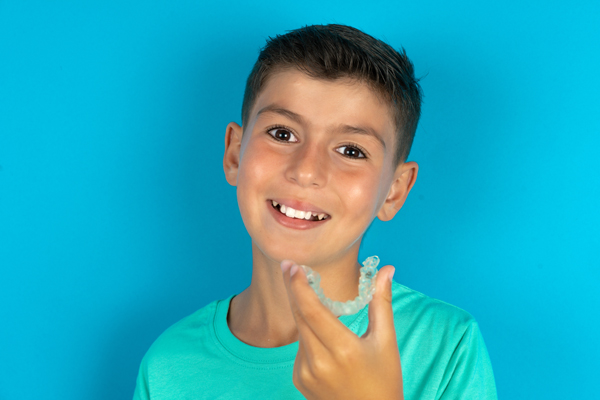
Invisalign for teens can be an effective orthodontic option, but success depends on consistent daily wear and strong routines. Clear aligners only move teeth as planned when they stay in place for the recommended number of hours each day. Teens often manage busy schedules, social commitments, sports, and school demands, which can make compliance feel challenging. With the right expectations, practical habits, and supportive guidance, aligner wear can become a normal part of daily life.
Why consistency with aligners matters
Aligners apply gentle, continuous pressure to guide teeth into better alignment. When aligners remain out of the mouth for long periods, teeth can drift back toward their previous position, which can slow progress and increase discomfort when aligners go back in. Inconsistent wear may also require additional refinements, extend treatment time, or create tracking issues where the aligners no longer fit as designed.
Invisalign for teens works best when wear time stays steady. Small slips happen, but repeated gaps create a pattern that compromises results. A focus on consistency, rather than a rigid perfection mindset, helps teens build a routine that fits real life. The goal is predictable daily wear, not occasional bursts of compliance.
Common reasons teens forget or avoid aligners
Many teens remove aligners for meals, snacks, and drinks other than water. Once removed, aligners may remain in a case for longer than intended, especially during school hours or while spending time with friends. Some teens feel self-conscious about taking aligners out in public, which can lead to skipped meals or, more often, skipped reinsertion.
Discomfort can also play a role. New aligners may cause pressure and mild soreness, especially during the first day or two of a tray change. If pain is not managed proactively, teens may decide to “take a break,” which often makes the next reinsertion feel worse. A third factor involves simple busy routines, such as sports practices, after-school activities, and late nights that disrupt normal habits.
Practical ways to build consistent wear habits
Most compliance problems improve when routines become automatic. A consistent pattern reduces the need for reminders and makes aligners feel like a normal part of the day. These strategies can help:
- Keep a dedicated aligner case in a backpack and a second case at home to reduce the risk of loss
- Pair reinsertion with a set habit, such as putting aligners back in immediately after brushing
- Use phone alarms for meals and reinsertion during the school day
- Stock travel-size hygiene items for quick brushing after lunch or snacks
These tools work best when they remain simple. A routine that feels manageable is more likely to stick long-term.
Handling school, sports, and social situations
School schedules can disrupt wear time because lunch periods feel rushed, and restrooms may feel inconvenient. A realistic plan helps. If brushing after lunch is not possible, rinsing with water and reinserting aligners promptly can still protect wear time. A full brushing routine can occur later at home, but aligners should not remain out for hours.
Sports and band activities also require planning. For contact sports, an orthodontist may recommend removal with a protective mouthguard, followed by prompt reinsertion afterward. For wind instruments, adaptation varies, and guidance from the orthodontic team can help the teen stay comfortable while maintaining wear time. Invisalign for teens can fit active lifestyles, but it requires a clear plan for aligner-safe storage and consistent reinsertion.
Social concerns often fade after the first few weeks, especially as a teen gains confidence in discreetly handling aligners. Practicing removal and reinsertion at home can reduce anxiety. A clean case, quick handwashing, and a consistent routine help aligner management feel more normal in public.
Supporting comfort during tray changes
New aligners often feel tight, which signals that tooth movement is active. Pressure typically improves within a few days. Switching to a new set of aligners at night can reduce daytime discomfort because the first hours occur during sleep. Cold water rinses, a soft diet for the first day, and dentist-approved pain relief strategies may also help.
Chewies or seating aids may be recommended to help aligners fit fully. Better seating improves tracking and may reduce irritation. When discomfort is addressed early, aligner removal “breaks” become less appealing, which supports better compliance and smoother progress.
Get your teen started today
Invisalign for teens can deliver strong results when aligner wear becomes consistent and routine. Wear time matters because teeth move predictably only when aligners stay in place for the recommended hours each day. Habits such as keeping an aligner case available, using reminders, planning for school and sports, and managing tray-change discomfort can improve compliance. With supportive guidance and clear expectations, most teens can build routines that keep treatment on schedule and outcomes strong. For more information or to schedule an appointment, call our office.
To schedule a consultation, please request an appointment on our website at https://www.orthodonticprecision.com or call Precision Orthodontics & Pediatric Dentistry at (703) 391-8800 to arrange an appointment at our Reston office.
Check out what others are saying about our dental services on Yelp: Invisalign for Teens in Reston, VA.
Recent Posts
When considering orthodontics for teens, it is important to find the most effective treatment for your child’s teeth straightening needs. A consultation with an experienced orthodontist can help you make informed choices about your child’s dental health. Visiting our office offers you the opportunity to ask questions, clear up any confusion, and plan how to…
Misaligned teeth are not just an aesthetic issue; they can lead to numerous problems, including oral pain, speech, and digestive issues, and increased tooth decay and gum disease. Invisalign® for teens is very effective in straightening teeth for improved confidence and better oral health. This type of treatment also offers unique perks that traditional braces…
A teenage boy or girl who deals with a crooked smile or uneven bite could be able to use Invisalign® for teens as a corrective treatment. The adolescent and high schools years are often filled with social pressure and a desire for acceptance, and any problems or concerns with a teen’s smile could create self-confidence…
If you are a teenager whose dentist recommends Invisalign to straighten your teeth, you may wonder what the product is. Many dentists advise Invisalign® for teens as a discreet and reliable method of treating crooked teeth. However, you may only be familiar with traditional braces. Invisalign is a different way to fix malocclusions or imperfect…