How Preventive Dental Care Can Support Orthodontic Treatment
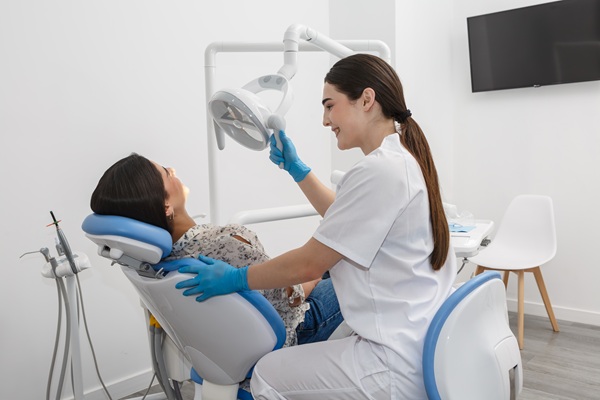
Preventative dental care helps patients keep their teeth strong and their gums healthy while braces, aligners, or other orthodontic appliances do their work. Although orthodontic treatment focuses on changing the position of the teeth, the health of the mouth determines how smoothly the process can proceed. Clean enamel, calm gums, and regular dental checkups work together to create a better environment for tooth movement. A dental provider can help patients protect their smiles during treatment, rather than waiting until the braces come off or the last aligner is removed.
Why orthodontic treatment needs a healthy foundation
Braces and aligners guide teeth into better positions over time. This process may seem to involve only the teeth, but it also affects the gums, bone, and surrounding tissues. When these parts of the smile stay healthy, the teeth can move comfortably and as expected. On the other hand, plaque, inflammation, or decay can make any orthodontic treatment feel harder to manage.
This is why preventative dental care is important throughout orthodontic treatment. A cleaning, exam, or fluoride treatment may not feel as exciting as seeing straighter teeth, but these preventive services and visits help protect the final result. They also give the dental team a chance to catch small concerns before they interrupt orthodontic progress.
When braces and aligners create new cleaning challenges
Orthodontic appliances can complicate daily oral hygiene. With braces, the brackets and wires can create small spaces where food can hide. In the same vein, clear aligners can hold bacteria or sugar against the teeth if patients put them back in without brushing. Even those who have always had good brushing habits may need help adjusting their oral hygiene routine once orthodontic treatment begins.
During preventive visits, a dental provider helps patients learn what works for their specific orthodontic appliance. They can recommend tools such as floss threaders for braces or specialized cleaning solutions for aligners. Both can make a big difference in how easy it is to keep the smile healthy throughout treatment.
Understanding gum health during orthodontic treatment
Healthy gums make orthodontic treatment easier to tolerate. Unfortunately, when plaque stays along the gumline, the gums may become puffy, tender, or bleed easily. As a result, brushing can be uncomfortable, leading patients to avoid the very areas that need the most attention. Swollen gums can also make the teeth harder to clean. In some cases, the gum tissue may partially cover parts of the brackets or tooth surfaces. That can create more places for plaque to collect, making routine adjustments more difficult to manage.
With preventative dental care, a dental provider can help patients manage gum inflammation before it becomes a big problem. This may involve a professional cleaning, changes to brushing technique, or more focused home care. Once the gums feel healthier, brushing and flossing often become easier, and orthodontic visits can feel more comfortable.
Daily habits that make orthodontic treatment easier
To best protect the smile during orthodontic treatment, it is important to develop habits that are consistent, realistic, and easy enough to repeat. A dental provider can help patients choose the right preventive habits based on the type of appliance they wear. However, the basics include:
- Brushing after meals to remove food from brackets, wires, or tooth surfaces
- Rinsing with water after snacks or sugary drinks when brushing is not possible
- Cleaning aligners before placing them back in the mouth
- Flossing at least once daily to remove bacterial buildup in areas the toothbrush cannot reach
- Avoiding hard, sticky, or chewy foods that can damage braces
- Keeping both orthodontic and preventive dental visits on schedule
These habits help protect the teeth during active treatment. They can also reduce gum irritation, improve breath, and make patients feel more confident while wearing braces or aligners.
Why extra support matters for children and teens
Children and teens undergoing orthodontic treatment tend to need extra help at home. Braces can make brushing feel time-consuming, and aligners require responsibility throughout the day. Parents and guardians can support the child’s treatment by helping them build routines at home without making dental care feel like a daily battle. A dental provider can also speak directly with young patients about why their habits matter, helping them feel more motivated.
Keeping the smile healthy after treatment
The work does not end when braces come off or aligner treatment finishes. It is recommended to continue brushing, flossing, attending cleanings, and wearing retainers as directed. Retainers also need to be cleaned to prevent bacterial buildup and odor. A dental provider can check the retainer's fit and ensure the teeth remain stable over time.
Book preventative dental care today
Preventative dental care can make orthodontic treatment more comfortable. Routine dental cleanings and strong home habits help protect enamel and gums while the teeth move into better positions. Schedule an appointment today to learn more.
Request an appointment here: https://www.orthodonticprecision.com or call Precision Orthodontics & Pediatric Dentistry at (703) 391-8800 for an appointment in our Reston office.
Check out what others are saying about our dental services on Yelp: Preventative Dental Care in Reston, VA.
Recent Posts
Patients who choose Invisalign® are generally able to maintain a more normal lifestyle than patients wearing traditional braces. Patients with wire-and-bracket braces, or those who had such braces in the past, likely remember at least one instance in which they had to visit the emergency orthodontist to replace a part or fix a broken wire,…
Invisalign® dental aligners are an excellent option for patients who want to avoid the look and feel of traditional metal braces while straightening crooked teeth or closing gaps between teeth. Compared to braces, most observers do not realize when someone is wearing clear aligners.For this treatment, dentists take impressions of patients' upper and lower teeth…
If you have uneven or crooked teeth, you might be very self-conscious about it. Teeth straightening can correct this issue and give you the smile you want. But, some options are much more noticeable than others. Invisalign offers effective teeth straightening. It is discreet and almost unnoticeable. Gently correcting the teeth without the obvious flash…
Invisalign® and braces are very different tools that can give patients an even smile with straightened teeth. Because patients must wear teeth alignment devices for a while, you might wonder if you will need repairs to your device. Patients often wonder if one type of device needs more repairing than another. For most patients, one…