 Having braces on your teeth is an effective way to achieve better dental health. It can also give you a brighter, more attractive smile. Learning about the process of wearing braces can help you prepare for your appointment. Here are the details about how braces can straighten your teeth.
The process
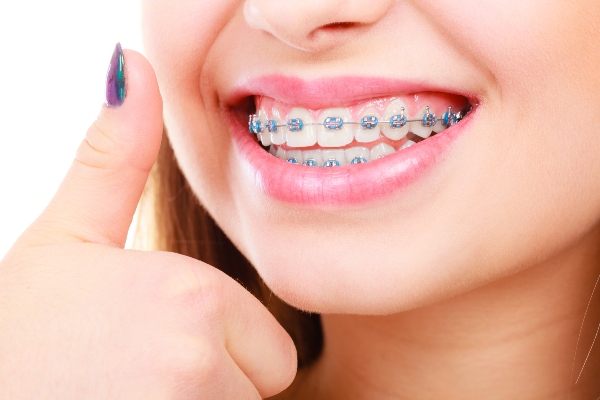
Braces exert consistent pressure on the jaw and teeth. This can correct one’s smile and improve one’s dental health. The dentist will attach the brackets to the teeth. These components guide the archwire.
The elastics hold it to the brackets. Tight elastics provide more pressure to the archwire. The dentist must change the elastic and the archwire each month. The archwire will need a replacement if it breaks. Regular archwire tightening can move the teeth to their correct positions.
Braces will affect the soft tissues that surround the jawbone and teeth as well. There are ligaments that compress and stretch as the teeth reposition. Research shows that tissue and bone work together to stabilize the teeth. If the braces push a tooth to the left, the ligament there compresses. Then, brand-new bone forms on the left side to fill the dental gap.
Treat overcrowding
Overcrowding happens when the connection between the jaw and teeth is too small. It could also happen when the teeth are too large for the mouth. Braces can move teeth so that they can sit beside each other with enough space without issue. Older kids, whose palates have already hardened, can have jaw-expanding surgery.
Tooth extraction may be necessary as well. Some people have big teeth that occupy almost two dental spaces. This procedure can free some dental space. When the dentist applies the braces, the other teeth can move into the open dental spaces in a gradual way.
Treat an overbite
This condition occurs when the upper teeth are more forward than the lower teeth. The treatment will involve the movement of both lower and upper teeth. The dentist will keep adjusting the braces until the patient achieves a normal bite. The pressure from the braces can be more uncomfortable since the treatment will lead to more than realigning teeth.
Move teeth forward
Braces can exert enough pressure to move teeth toward the hard palate. But in some cases, the treatment can also push the teeth toward the opposite side. The archwire can force the teeth forward, correcting the person’s bite issue. The dentist will bend the archwire, which will adapt to the brackets at first. The gradual dental movement will return the archwire to its U shape once the teeth reach the proper position.
Seeing the results
Teeth will not move right away. They will not even move every day. The patient may notice some soreness after the dentist tightens the archwire. This is the time when the teeth are getting used to the hard pressure. The discomfort fades as each tooth reaches its new position. The braces will hold the teeth until the next tightening appointment.
Moving the teeth must happen in a slow manner. This will be more effective and comfortable. If the movement of the teeth becomes too quick, it can damage the jawbone and dental roots. The jawbone and ligaments need to support the teeth during movement as well.
Braces are effective if you have the dedication and patience for it
The dentist will explain how your braces can transform your smile. The treatment will depend on the patient’s needs. A bite problem will be more complicated than simple misalignment. Your dentist will create a braces treatment plan according to your specific dental issue. This can provide you with the smile that you have always wanted.
Request an appointment or call Precision Orthodontics & Pediatric Dentistry at 703-391-8800 for an appointment in our Reston office.
Recent Posts
Your orthodontist has many options and approaches available to straighten your teeth and correct other issues. You can have peace of mind to know that each solution can be effective and help you to achieve a new smile. You can then feel good about your appearance and have more self-esteem. If part of your treatment…
Can treatment from an orthodontist help with daily functions such as speaking and chewing? Read on to learn more. Bite correction from an orthodontist has several health benefits, including enhanced aesthetics, clearer speech, and improved chewing, biting, and jaw functions. This type of dental specialist can help you figure out whether your bite is misaligned…
An orthodontist might recommend devices like braces or clear aligners to help straighten your teeth. Both of these appliances work by applying a gentle, constant force on teeth, slowly moving them to a better position over the course of your treatment. Orthodontic issues are pretty common, and the American Association of Orthodontics states up to…