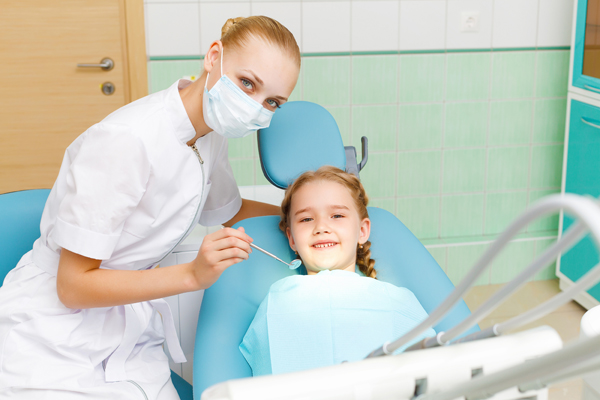
Dental fillings can feel unfamiliar to a child, but the right approach helps make the appointment calmer and easier. A pediatric dentist prepares young patients with clear explanations, gentle techniques, and reassurance. Comfort remains a priority from the first conversation through the bite check, as this care helps children build trust in the dental office while restoring the affected tooth. Here is how our dentist can help young patients feel comfortable during treatment and how you can help prepare them ahead of time.
Preparing a child for dental fillings
A comfortable visit begins before treatment starts. The dentist may explain the dental filling process in simple words and show the child safe instruments before using them. Descriptions such as "tooth cleaner" or "sleepy gel" can make the process sound less intimidating without hiding what will happen. The goal is to give the child enough information to feel prepared without creating unnecessary worry.
The dental team, which often includes the dentist, dental assistants, and hygienist, watches the child's body language and responses during the conversation. Some children want to know every step, while others feel more relaxed with brief explanations and gentle distraction. The dentist can adjust the pace, pause when needed, and answer questions reassuringly.
Using numbing techniques carefully
Before treating the cavity, the pediatric dentist may place a topical numbing gel on the gum near the tooth, helping reduce the sensation of the local anesthetic injection. They can then deliver the anesthetic slowly, which often makes the process more comfortable. Following the injection, the dentist will allow enough time for the area to become fully numb to help prevent discomfort during treatment.
The pediatric dentist checks the tooth and nearby tissue before applying the dental filling material. Children may notice pressure, vibration, or water, but sharp pain should not occur. If a sharp pang occurs or they need a break, the child can raise their hand or communicate with another predetermined signal. This sense of control aims to reduce anxiety and help the child cooperate.
Creating a calm treatment environment
A child-friendly dental setting can make a major difference in how treatment feels. The dental team may use music, a television, conversation, or guided breathing to keep the child focused on something pleasant. A comfortable chair position and a warm tone can reduce tension. These details help the appointment feel less clinical and more manageable.
Dental fillings often require short stages instead of the dentist rushing through the procedure. Brief pauses allow the child to rest the jaw, swallow, or ask a question. The team may also praise them for specific actions, such as holding still or following instructions, which aims to reinforce the child's confidence.
Choosing materials and tools with comfort in mind
Modern dental tools allow the pediatric dentist to remove decay with precision while protecting healthy tooth structure. In some cases, smaller instruments or alternative techniques may reduce noise and vibration. The dentist selects the method based on the cavity's location, depth, and the child's comfort needs.
Further, tooth-colored composite material often works well for dental fillings because it bonds directly to the tooth and blends with natural enamel. The dentist places the material in layers and hardens each layer with a special light. After shaping the restoration, the dentist checks the child's bite to make sure the tooth feels natural, which also prevents irritation once the numbness fades.
Supporting comfort after the appointment
The mouth may remain numb for a few hours after treatment. Parents should remind children not to bite the lip, cheek, or tongue during this time. Further, soft foods can make eating easier, while too hot foods should wait until a normal feeling returns. Mild sensitivity may occur briefly, especially when chewing or drinking something cold.
The pediatric dentist provides aftercare instructions based on the child's needs. Brushing can usually continue the same day with a soft toothbrush and gentle pressure. If discomfort grows stronger, lasts several days, or affects the child's bite, a parent should contact the dental office, as a quick adjustment usually solves the problem and restores comfort.
Schedule your child's appointment
Dental fillings do more than repair a cavity. It can teach a child that dental treatment feels safe, predictable, and supportive. By explaining each step, using careful numbing techniques, and responding to the child's signals, a pediatric dentist creates a positive overall experience. Call our office for more information or to schedule your child's appointment.
Request an appointment here: https://www.orthodonticprecision.com or call Precision Orthodontics & Pediatric Dentistry at (703) 391-8800 for an appointment in our Reston office.
Check out what others are saying about our services on Yelp: Dental Fillings in Reston, VA.
Recent Posts
If you have uneven or crooked teeth, you might be very self-conscious about it. Teeth straightening can correct this issue and give you the smile you want. But, some options are much more noticeable than others. Invisalign offers effective teeth straightening. It is discreet and almost unnoticeable. Gently correcting the teeth without the obvious flash…
Invisalign® and braces are very different tools that can give patients an even smile with straightened teeth. Because patients must wear teeth alignment devices for a while, you might wonder if you will need repairs to your device. Patients often wonder if one type of device needs more repairing than another. For most patients, one…
An effective and yet inconspicuous way to straighten the teeth, Invisalign® gives individuals the flexibility to enjoy a wide range of foods while undergoing the teeth straightening process. When compared to traditional braces that come with a long list of what can be eaten and what needs to be avoided, removable alignment trays bring more…
Orthodontic care can help guide a child's teeth and bite as the mouth continues to grow and change. Some children need only routine monitoring, while others benefit from early treatment that creates space, improves bite function, or supports better alignment. A pediatric orthodontist can evaluate tooth eruption, jaw growth, and spacing concerns before they become…