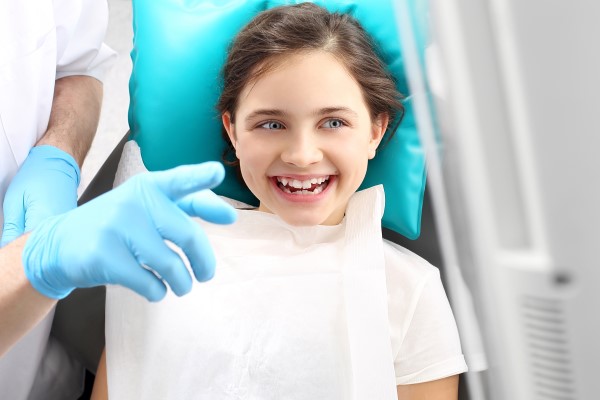
A pediatric orthodontic specialist can help your child with many orthodontic issues. For example, poorly aligned teeth can cause difficulty chewing and speech impairments. In addition, it can lead to an increased risk of teeth grinding and tooth decay. If your child has signs and symptoms of orthodontic problems, early intervention by an experienced pediatric orthodontist can help preserve the health and beauty of their smile. Continue reading to learn more about common pediatric orthodontic issues.
Symptoms of pediatric orthodontic issues
Difficulty chewing or biting
A child's struggle with chewing or biting could be due to misaligned teeth or jaw. This can lead to a higher risk of choking.
Grinding of the teeth
If a child is grinding their teeth, it could be a sign of misalignment. If left untreated, it can permanently damage their developing teeth. In addition, it can also shift their jaw and teeth alignment.
Jaw shifting or clicking
Parents may notice that their child's jaw shifts or clicks. It may do this because of an improper alignment. It could also signify the child having Temporomandibular Joint Disorder (TMJ) when the muscles or ligaments around their jaw joints are inflamed or irritated.
Mouth breathing
When a child consistently breathes their mouth, it can affect the appearance of their face and teeth. This is due to their tongue does not fully rest on their mouth's roof. As a result, it can lengthen their face and cause a narrower jaw.
Common pediatric orthodontic issues
Crooked or crowded teeth
Healthy teeth and gums are essential to a child's oral health. However, if they have crooked or crowded teeth, it can make it harder for them to brush and floss. This can lead to an increased probability of tooth decay and gum disease.
Early or late loss of baby teeth
Children typically start losing their baby teeth between ages six and 15. This timeline can help with their proper speech and facial development. In addition, primary teeth hold the proper space for their permanent teeth, which help guide them to the proper position. When children lose their teeth too early, they could suffer from numerous orthodontic complications, such as:
- Speech development
- Facial development
- Difficulty chewing
- Misaligned teeth or crowding
- Impacted teeth
In contrast, some children can be late bloomers and lose their teeth longer than normal. This situation has an equal amount of developmental and orthodontic issues, such as permanent teeth erupting behind the baby teeth and overcrowding the mouth.
Gapped teeth
Many children have gaps in their teeth. They can occur due to genetics, missing teeth, dental trauma, or poor oral habits, such as thumb sucking or prolonged pacifier use. A gap in a child's teeth may not harm their overall dental health but may harm their self-esteem and inner confidence.
Malocclusion
A malocclusion is where a child's teeth are misaligned. This condition can lead to oral health complications if it is left untreated. Types of malocclusions include:
- Crossbite: This type of malocclusion is where upper teeth fit inside of the lower teeth. It can affect a single tooth or an entire group of teeth, including the front or back teeth.
- Openbite: With an open bite, a child's upper and lower rows of front teeth do not touch or close when they smile or chew. They can be caused by thumb sucking and grow into a rounded formation.
- Overbite: An overbite is characterized by too much overlap between the upper and lower front teeth. This can cause a collapsed lip line, making the chin and nose appear larger.
- Underbite: This condition occurs when the bottom teeth stick out in front of the upper teeth.
Types of pediatric orthodontic treatment
Parents need to seek orthodontic treatment for their children. It is easier for pediatric orthodontic specialists to treat issues while a child's jaw develops. Their bone structure is not as rigid as a fully-developed adult jaw and will require fewer future treatments. Some of these treatment methods include:
- Aligners: Clear plastic aligners are a common alternative to regular braces and can help straighten out crooked teeth while being virtually invisible.
- Braces: These are the most common type of fixed orthodontic appliances. They consist of wires, bands, and brackets to straighten crooked teeth or misaligned jaws.
- Palatal expanders: These devices help widen the arch of the upper jaw.
- Space maintainers: Space maintainers can be fixed or removable. They help adult teeth grow into place and maintain the right amount of space for them.
In conclusion
A pediatric orthodontic specialist can help protect your child's developing smile and ensure that their teeth and jaw are healthy and functional. In addition, these specialized services can also help boost their self-confidence. Call our office to learn more or to schedule an appointment.
To learn more about our pediatric orthodontic services, visit https://www.orthodonticprecision.com or call Precision Orthodontics & Pediatric Dentistry to schedule an appointment.
Check out what others are saying about our services on Yelp: Read our Yelp reviews.
Recent Posts
Braces can help improve your dental health by correcting your dental alignment. Your bite is how your upper and lower sets of teeth meet upon closing or performing dental functions. Most people suffer from a bad bite or malocclusion. This is when your teeth do not fit the right way. Finding out how wearing these…
Having braces on your teeth is an effective way to achieve better dental health. It can also give you a brighter, more attractive smile. Learning about the process of wearing braces can help you prepare for your appointment. Here are the details about how braces can straighten your teeth.Braces exert consistent pressure on the jaw…
Braces are an effective method for straightening misaligned teeth, which can boost self-esteem and oral health. However, braces require adjustments to regular oral hygiene habits to prevent issues like tooth decay and gum disease.Since there are more places for food to get stuck when you have braces, you need to pay closer attention to your…
Braces for kids are important in oral development, particularly for families considering orthodontic care for their children's growing smiles. Early orthodontic treatment focuses on working with a child's natural growth rather than using rigid appliances that restrict it. These modern methods are designed to guide the teeth and jaws as they naturally change and develop.Children's…