5 Key Facts You Need to Know Before Getting FastBraces

FastBraces® can help some patients straighten their teeth more quickly than traditional metal braces or even ceramic braces. This approach is designed to move the tooth crown and root more efficiently from the very start of treatment. A dental provider can explain how FastBraces works, whether it is a good fit for the patient’s case, and what to expect before treatment begins. Learning the basics early can help patients feel more prepared and confident during the decision-making process.
5 key facts about FastBraces
1. FastBraces uses an innovative bracket-and-wire design
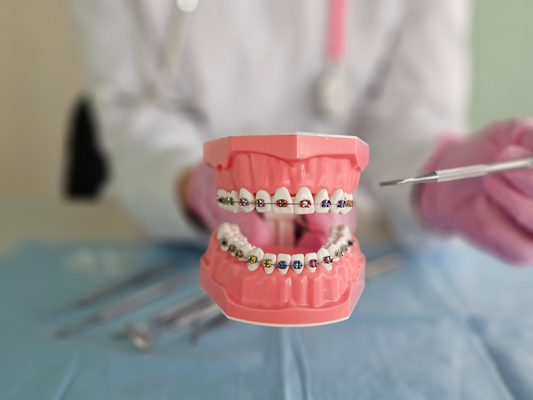
FastBraces may look similar to traditional braces at first glance, but the system uses a different bracket and wire design. Traditionally, braces have moved teeth in stages, first shifting the crown of the tooth and then the root. FastBraces aims to move both parts of the tooth more efficiently through its triangular bracket shape and flexible wire mechanics.
This difference does not mean every FastBraces patient will finish treatment in the same amount of time. Tooth movement still depends on the patient’s age, bite, crowding, spacing, jaw growth, and oral health. Some patients may see faster progress than they expected, while others still need more time for careful alignment.
2. They are best for mild to moderate concerns
FastBraces can help many patients with common alignment concerns, such as mild to moderate crowding, spacing, or rotated teeth. Unfortunately, more severe bite problems and tooth rotations may need a slower, traditional approach.
A dental provider can determine a patient's candidacy for FastBraces with the help of a full orthodontic exam. This may include photographs, digital scans, X-rays, and a bite evaluation. These records help show how the teeth sit, how the roots align, and whether the gums and bone can support smooth tooth movement.
At this point, patients should also disclose their treatment goals to the provider. Those who only want to improve a few crowded teeth have different needs from patients with a deep bite, crossbite, or missing teeth. A provider will match the treatment plan to the patient’s smile and preferences.
3. FastBraces can be effective for adults and children
FastBraces may be an option for children, teens, and adults, depending on their dental needs. Age alone does not determine eligibility. Gum health, bone support, tooth condition, and bite function all matter. A dental provider can explain whether FastBraces is appropriate for the patient’s stage of life and oral health needs.
4. Consistency is still key
The patient plays an important role in how well FastBraces work. Since braces stay on the teeth full time, daily habits can affect comfort, progress, and oral health. Patients need to follow care instructions, keep adjustment visits, and protect the brackets from damage to avoid treatment delays.
Staying consistent with oral hygiene is crucial for treatment success, too. This is because oral health problems can slow down treatment and cause discomfort. Thankfully, oral hygiene does not have to be complicated. Helpful habits during FastBraces treatment include:
- Brushing around each bracket and along the gumline
- Cleaning between the teeth every day
- Avoiding hard candy, ice, sticky snacks, and chewy foods
It is also important to call the office if a bracket loosens or a wire causes irritation. The provider can promptly fix the issue to avoid treatment interruptions and restore comfort.
5. Retainers help maintain FastBraces results
As with any orthodontic treatment, patients will need to wear retainers after FastBraces to prevent the teeth from shifting out of place. Retainers are custom-made removable appliances that help hold the teeth in their new positions while the surrounding bone and tissues settle.
A dental provider will explain what type of retainer the patient needs and how often to wear it. Most patients wear retainers full-time at first, then switch to wearing them only at night while asleep.
What to ask before starting FastBraces
Before getting FastBraces, patients are encouraged to ask questions during the consultation appointment. Common topics include:
- How long treatment may take
- Whether FastBraces can address their specific concern
- What foods to avoid during treatment
- How often progress visits will happen
- What to expect after the braces come off
Clear answers help patients feel prepared and avoid surprises. They also make it easier to follow instructions and stay engaged at every step.
Start with a personalized consultation
FastBraces can be a helpful orthodontic option for patients seeking to improve alignment using a system designed for efficient tooth movement. The best way to know whether it fits the patient’s smile is to schedule a full evaluation with a dental provider. Call our office for more information or to book a FastBraces evaluation.
Request an appointment here: https://www.orthodonticprecision.com or call Precision Orthodontics & Pediatric Dentistry at (703) 391-8800 for an appointment in our Reston office.
Check out what others are saying about our services on Yelp: FastBraces in Reston, VA.
Recent Posts
Adult orthodontics is not only for teenagers. More adults choose orthodontic treatment to straighten their teeth, improve their bite, and feel better about their smile. While clear aligners get most of the attention, metal braces remain a practical and reliable option in adult orthodontic treatment. Modern braces are smaller and less bulky than older versions…
You may know that Invisalign® is different than traditional braces, but you may not know all the reasons why. Both Invisalign and traditional braces straighten your teeth and correct other issues, but in very different ways. For many, Invisalign aligners are a great choice to straighten the teeth without visible brackets and wires. There are…
One question you may have is what you can eat and drink while using Invisalign®. Most people know that patients who get braces cannot eat and drink certain foods. People wonder if it is the same for Invisalign. One big potential detractor for many who want to straighten their teeth is feeling like they cannot…
One factor you may consider when deciding between Invisalign® and braces is the potential for mouth pain and cuts. You may have a lot of concern about discomfort when correcting the alignment of your teeth. Not only can there be discomfort from moving the teeth into place, but also the corrective device can rub the…