5 Factors to Consider When Talking to an Orthodontist About Orthodontics for Teens
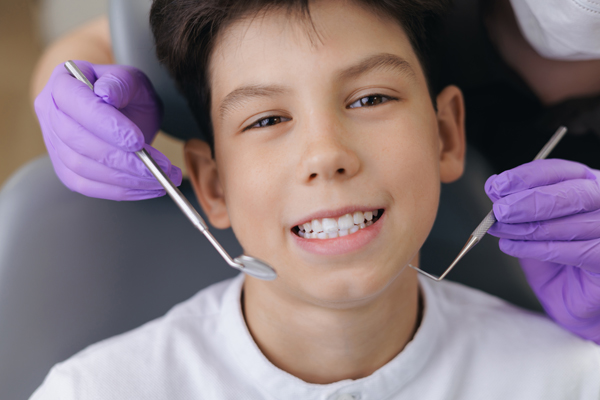
When considering orthodontics for teens, it is important to find the most effective treatment for your child’s teeth straightening needs. A consultation with an experienced orthodontist can help you make informed choices about your child’s dental health. Visiting our office offers you the opportunity to ask questions, clear up any confusion, and plan how to help your teenager achieve a straight, confident smile. Here are five factors to keep in mind during the first appointment
1. The evaluation and diagnostic process
The first step during the initial appointment involves a detailed evaluation of the teen’s teeth and jaw structure. The orthodontic team uses digital X-rays, facial photos, and 3D surface scans to capture a clear picture of their oral health. These diagnostic records help dental professionals spot skeletal alignment flaws, crowded teeth, and tooth eruption patterns deep beneath the gums.
Bite issues like severe crowding, wide gaps, overbites, and underbites often appear during the adolescent years. At this stage of oral development, teenagers have most of their permanent teeth, but their jaw is still developing. This specific window offers an opportunity to use orthodontics to guide bone growth and correct alignment flaws with ease. Functional appliances can shift the patient’s jaw structure before the jaw has fully developed. Parents should ask the orthodontist to explain the results of the exam so the teen and their family understand the treatment plan from day one.
2. Available treatment options
Modern offices providing orthodontics for teens offer several teeth-straightening methods to suit different lifestyles and needs. Each option offers distinct benefits and drawbacks for the adolescent patient. Popular options include:
- Traditional metal braces
- Clear aligners
- Ceramic (clear) braces
- Lingual braces
- Self-ligating braces
The final choice depends on the patient’s daily oral hygiene habits, food choices, and overall comfort levels. It is important for them and their parents to choose a system that fits their daily routine. The orthodontist will provide a professional recommendation based on these specific lifestyle factors.
3. Timing and growth considerations
Growth spurts affect how a teenager’s smile develops. Adolescents grow rapidly, and the orthodontist can leverage this natural growth to move the jaw into the correct position. For some teenage patients, early adolescence is the most suitable time to fix bite problems with functional tools. For others, it makes more sense to wait until jaw growth slows to achieve stable results.
Deciding the right time to start treatment can affect the long-term results of treatment. If the teenager starts treatment before they are ready, it can cause the process to go on for years. On the other hand, if they delay care for too long, they may lose the opportunity to make simple jaw corrections while their jaw is moldable.
4. Financial structure and insurance coverage
Orthodontic care is a major investment for any household budget. Parents must know the total financial obligation before treatment begins. A standard fee estimate includes:
- Preliminary digital images, facial photos, and initial diagnostic X-ray fees
- The cost of the dental brackets, wires, or clear plastic aligner trays
- Regular office visits for progress checks and wire adjustments
- Emergency repair appointments for broken brackets or loose wires
- The first set of retainers to use after treatment ends
- Follow-up examinations to check tooth stability
Dental insurance benefits for adolescent care vary by policy. Parents should review coverage options and total out-of-pocket costs for their child’s treatment to prevent potential surprises in the future. Additionally, ask the orthodontic office whether they offer interest-free payment plans to better fit the household's budget.
5. Retention and long-term maintenance
The day the teenage patient's braces come off is exciting. However, active treatment is only the first phase. Maintenance is necessary to keep teeth in their new positions. Teeth can drift back to their original positions due to muscle memory and natural changes in the jawbone over time.
Retainers come in fixed or removable styles. Removable styles require consistent overnight wear, while fixed wires remain permanently attached to the backs of the front teeth. Nevertheless, every style has specific cleaning rules and care needs. Long-term retainer wear is the only way to protect the investment in a straight smile. Commitment to this final step ensures the teeth remain perfectly straight for a lifetime.
Start your child on the right path to a beautiful smile
When you go into the first appointment for orthodontics for teens with these five things in mind, you and your child can get the most out of the visit. Preparing for the process in advance allows your family to choose a path toward a beautiful, confident smile. Ready to get started? Call our Reston office today to schedule your teenager’s first visit.
Request an appointment here: https://www.orthodonticprecision.com or call Precision Orthodontics & Pediatric Dentistry at (703) 391-8800 for an appointment in our Reston office.
Check out what others are saying about our dental services on Yelp: Orthodontics for Children in Reston, VA.
Recent Posts
There are numerous ways to straighten teeth, and Invisalign® is an increasingly popular method. Unlike traditional braces that use metal or ceramic attachments hooked to a wire to pull the teeth straight over time, this treatment uses clear aligners that can be taken out when eating or brushing. For the desired results, it helps to…
Maybe you want to straighten your teeth, but you are looking for a more discreet method like Invisalign®. These aligners have exploded in popularity because they are a less obvious way to correct misaligned teeth. Many people with alignment issues who were unsure about braces have now embraced Invisalign. You might be on the fence…
Adult orthodontics is not only for teenagers. More adults choose orthodontic treatment to straighten their teeth, improve their bite, and feel better about their smile. While clear aligners get most of the attention, metal braces remain a practical and reliable option in adult orthodontic treatment. Modern braces are smaller and less bulky than older versions…
FastBraces® can help some patients straighten their teeth more quickly than traditional metal braces or even ceramic braces. This approach is designed to move the tooth crown and root more efficiently from the very start of treatment. A dental provider can explain how FastBraces works, whether it is a good fit for the patient’s case,…