Is Your Child Ready for Orthodontics for Teens? A Parent’s Guide

Properly aligned and healthy teeth are an important part of an adolescent's dental health. However, they may need orthodontics for teens to help them achieve a smile they feel confident in showing off. The question is: when should your child begin orthodontic treatment? A thorough understanding of the process can help you and your child make informed decisions about their oral health and prepare them for a healthy smile in the future.
The goal of orthodontics for teens
Orthodontics for teens refers to treatments designed to correct misaligned teeth, bite issues, and jaw irregularities during the adolescent years. This step is ideal because a teenager's jaw is still developing, making it easier for teeth to move into proper alignment. Orthodontic care during adolescence can also improve their confidence, as appearance becomes increasingly important to teens during this time in their social and emotional development.
Signs that a teen may need orthodontic care
Several signs can indicate that a teen may benefit from orthodontic treatment. Common signs include:
- Crowded or overlapping teeth
- Frequent biting of the cheeks or the roof of the mouth
- Difficulty chewing or biting
- Gaps between teeth
- Early or late loss of baby teeth
- Noticeable misalignment of the jaw
In many cases, these issues become more obvious as more of the child's permanent teeth fully emerge. Their dental provider may also recommend an orthodontic evaluation if they detect problems during routine dental checkups.
The importance of early evaluation
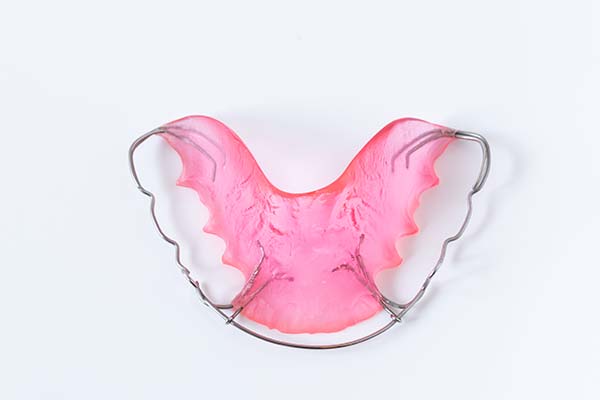
The American Association of Orthodontists recommends an initial evaluation by the time a child is seven years old. Early evaluations allow orthodontists to monitor their jaw growth and tooth development, identifying any potential issues when they first appear. For many teens, orthodontists recommend waiting for treatment until most or all of their permanent teeth have erupted. This timing allows orthodontists to create a more effective treatment plan. In some cases, they may be able to prescribe less invasive options, such as palatal expanders or space maintainers, to prevent severe crowding or jaw misalignment.
Orthodontics for teens treatment options
Many orthodontists offer a variety of orthodontic treatments for teens. Some of the most popular options include:
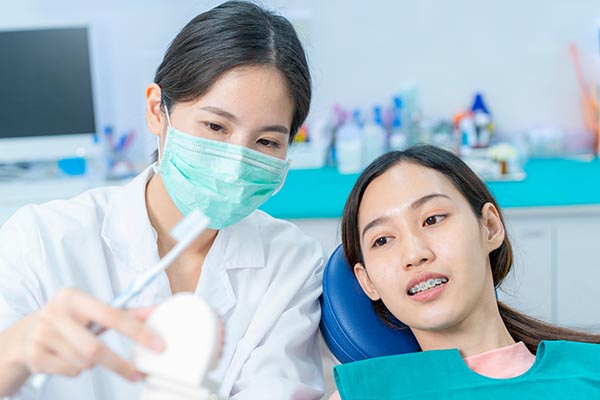
- Metal braces. Traditional metal braces are durable and capable of correcting a wide range of alignment and bite issues. While some teens may be hesitant about their appearance, modern braces are smaller and more comfortable.
- Ceramic braces. Ceramic braces function like traditional braces but use clear or tooth-colored materials for a less noticeable appearance. This option appeals to teens who prefer a more discreet treatment while still receiving the same benefits as metal braces.
- Lingual braces. Lingual braces are attached to the back of the teeth. They provide a discreet alternative but may take longer for the teen to adjust to.
- Clear aligners. These treatment options are removable trays that gradually shift teeth into place. They are nearly invisible and allow teens to eat and brush normally, making them a popular choice for teenagers who want a discreet way to straighten their teeth.
Orthodontics for teens is not a one-size-fits-all approach. By offering both braces and more discreet options, orthodontics can help teenagers choose a treatment method that fits their needs, style, and preferences.
Emotional considerations for teens
Orthodontic treatment is not only about dental health but also about emotional well-being. Many teens feel self-conscious about their appearance, and a straight smile can improve their confidence. At the same time, some teens may feel anxious about the visibility of metal braces or the potential discomfort during treatment.
Parents can support their child by emphasizing the long-term benefits of treatment and encouraging them to be patient. Positive reinforcement and open communication with the orthodontist can also help reduce stress around the orthodontic treatment process.
Oral hygiene during treatment
Teens need to follow good oral hygiene habits during orthodontic treatment. Braces and aligners require extra care to prevent plaque buildup and tooth decay. The teens should brush after meals, floss daily, and attend regular dental cleanings. The orthodontic team will provide specific instructions for cleaning around braces or aligners to ensure the best results.
How long does orthodontic treatment for teens take?
The length of orthodontic treatment for teens varies depending on the severity of the misalignment, the teenager's compliance with treatment, and the chosen method. On average, treatment can last from anywhere between 18 months and 3 years. Consistency in following the orthodontist's instructions and attending follow-up appointments can help shorten treatment time and improve the overall treatment outcomes.
Schedule a consultation at our Reston office
Is your child in need of orthodontics for teens? By working with the Precision Orthodontics & Pediatric Dentistry team, you can guide your teenager toward a healthier and more confident smile. Call our Reston office today to learn more or schedule a consultation.
Request an appointment here: https://www.orthodonticprecision.com or call Precision Orthodontics & Pediatric Dentistry at (703) 391-8800 for an appointment in our Reston office.
Check out what others are saying about our dental services on Yelp: Orthodontics for Teens in Reston, VA.
Recent Posts
Your orthodontist has many options and approaches available to straighten your teeth and correct other issues. You can have peace of mind to know that each solution can be effective and help you to achieve a new smile. You can then feel good about your appearance and have more self-esteem. If part of your treatment…
Can treatment from an orthodontist help with daily functions such as speaking and chewing? Read on to learn more. Bite correction from an orthodontist has several health benefits, including enhanced aesthetics, clearer speech, and improved chewing, biting, and jaw functions. This type of dental specialist can help you figure out whether your bite is misaligned…
An orthodontist might recommend devices like braces or clear aligners to help straighten your teeth. Both of these appliances work by applying a gentle, constant force on teeth, slowly moving them to a better position over the course of your treatment. Orthodontic issues are pretty common, and the American Association of Orthodontics states up to…
Are you thinking of visiting an orthodontist to treat your smile? There are various problems that can hamper your appearance and make you feel embarrassed. If you have crowded teeth, you may want to know what is causing this issue. An orthodontic professional can help resolve any concerns you have and give you the information…