A Parent’s Guide to Childrens Braces
Many parents wonder when it is time to consider children's braces. Braces treatment addresses misaligned teeth as part of an overarching oral health plan. Children's braces improve aesthetics and contribute to long-term oral health by reducing the risk of dental problems such as tooth decay and gum disease. Understanding the different types of children's braces, their benefits, and the treatment process can help parents make informed decisions about their child's oral health care.
When should a child see a pediatric dentist for children's braces?
The American Association of Orthodontists recommends that children receive their first orthodontic evaluation by age seven. At this stage, the dentist can assess tooth and jaw development to determine if early intervention is necessary. While some children may not require immediate treatment, early evaluation allows timely monitoring and intervention if issues arise.
Signs that a child may need braces include:
- Crowded or overlapping teeth
- Early or late loss of baby teeth
- Difficulty chewing or biting
- Prolonged thumb-sucking or pacifier use
- Jaws that shift, make sounds, or appear misaligned
- Overbite, underbite, or crossbite
Types of children's braces
Several types of braces are available for children, each designed to address different needs. The most common options include:
Traditional metal braces
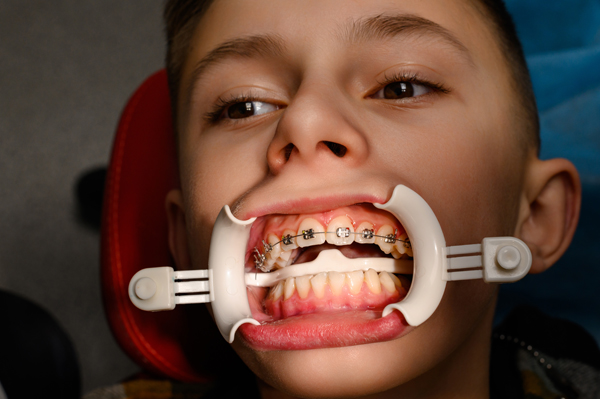
Metal braces consist of brackets attached to the teeth and connected by archwires. These braces are highly effective for correcting issues, including severe misalignment. Modern metal braces are smaller and more comfortable than earlier versions, making them a reliable choice for many children.
Ceramic braces
Ceramic braces function similarly to metal braces but feature tooth-colored or clear brackets, making them less noticeable. While they offer aesthetic benefits, they require careful maintenance to prevent staining.
Lingual braces
Lingual braces are placed on the back of the teeth, making them virtually invisible from the front. Although they provide discreet treatment, it may take longer for children to adjust due to their position near the tongue.
Clear aligners
Clear aligners, like Invisalign, are a removable alternative to traditional braces. These aligners gradually shift teeth using a series of custom-made trays. While clear aligners offer aesthetic and comfort benefits, they also require high responsibility, as children must wear them for the recommended 20-22 hours per day.
Benefits of children’s braces
Early treatment provides numerous advantages beyond just a straighter smile. Some of the key benefits include:
- Better bite alignment: Properly aligned teeth prevent excessive wear and reduce strain on the jaw joints.
- Boosted self-esteem: A well-aligned smile improves a child’s confidence and social interactions.
- Enhanced speech development: Certain misalignments can impact speech clarity, and braces help address these issues.
- Improved oral health: Straight teeth are easier to clean, reducing the risk of cavities and gum disease.
The braces treatment process
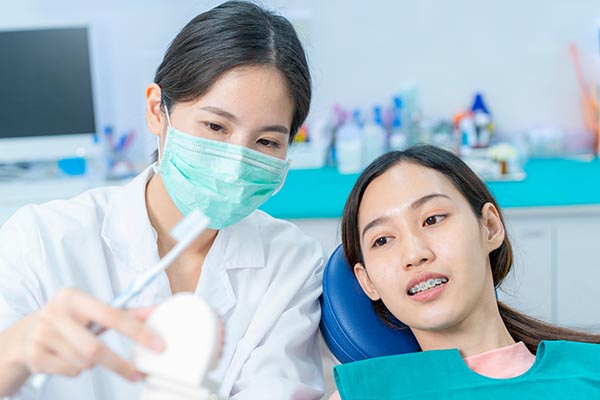
The journey to a straighter smile begins with an initial consultation. During this appointment, the dentist evaluates the child’s dental and jaw structure using X-rays, impressions, or digital scans. Based on the findings, a customized treatment plan is developed.
After placing the braces, regular adjustments are necessary to ensure gradual tooth movement. These visits, typically scheduled every four to eight weeks, involve tightening wires, replacing bands, or switching aligner trays. The duration of treatment varies, with most children wearing braces for one to three years, depending on the complexity of their case.
Caring for braces and post-treatment care
Maintaining proper oral hygiene is essential during treatment. Parents should encourage children to brush after every meal using a fluoride toothpaste and an orthodontic-friendly toothbrush. Flossing should be done daily with the help of floss threaders or interdental brushes to remove food particles from between brackets and wires. Dietary choices also play a significant role in preventing damage to braces. Children should avoid hard, sticky, or chewy foods that can break brackets or wires. Regular dental check-ups and professional cleanings help monitor oral health and prevent plaque buildup throughout treatment.
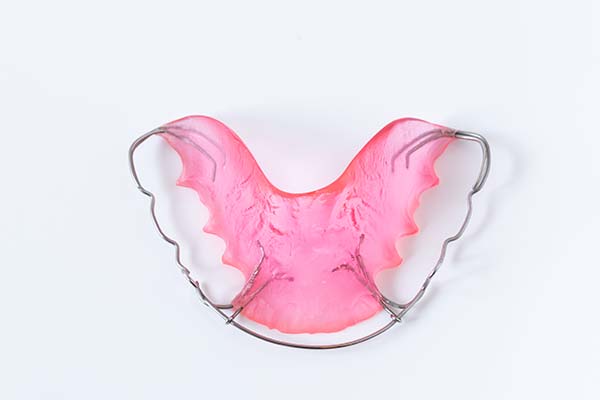
After removing the braces, a retention phase begins to maintain the results. Most children must wear a retainer, which helps keep teeth in their new positions. Retainers may be removable or fixed, depending on the dentist's recommendations. Wearing a retainer as instructed prevents teeth from shifting back to their original positions, ensuring a lasting, well-aligned smile.
Visit a pediatric dentist today
Children’s braces are an effective solution for correcting misaligned teeth and improving overall oral health. Early evaluation ensures treatment is provided at the right time, leading to the best possible results. Parents can make informed decisions regarding their child’s oral health care by understanding the different types of braces, their benefits, and the treatment process. A well-planned journey contributes to a healthy, confident smile that lasts a lifetime. For more information, schedule a consultation visit today at Precision Orthodontics & Pediatric Dentistry.
To schedule a consultation, request an appointment on our website at https://www.orthodonticprecision.com or call Precision Orthodontics & Pediatric Dentistry at (703) 391-8800 for an appointment in our Reston office.
Check out what others are saying about our services on Yelp: Read our Yelp reviews.
Recent Posts
Your orthodontist has many options and approaches available to straighten your teeth and correct other issues. You can have peace of mind to know that each solution can be effective and help you to achieve a new smile. You can then feel good about your appearance and have more self-esteem. If part of your treatment…
Can treatment from an orthodontist help with daily functions such as speaking and chewing? Read on to learn more. Bite correction from an orthodontist has several health benefits, including enhanced aesthetics, clearer speech, and improved chewing, biting, and jaw functions. This type of dental specialist can help you figure out whether your bite is misaligned…
An orthodontist might recommend devices like braces or clear aligners to help straighten your teeth. Both of these appliances work by applying a gentle, constant force on teeth, slowly moving them to a better position over the course of your treatment. Orthodontic issues are pretty common, and the American Association of Orthodontics states up to…
Are you thinking of visiting an orthodontist to treat your smile? There are various problems that can hamper your appearance and make you feel embarrassed. If you have crowded teeth, you may want to know what is causing this issue. An orthodontic professional can help resolve any concerns you have and give you the information…