When Are Stainless Steel Crowns the Right Choice?
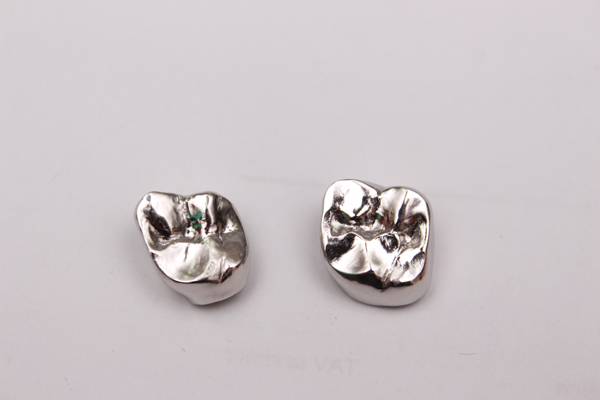
Among the many restorative options available in pediatric dentistry, stainless steel crowns stand out as a reliable and widely recommended solution. These crowns have long offered durability, efficiency, and long-term protection. Understanding when stainless steel crowns are the right choice for your child can result in optimal outcomes in both function and future orthodontic treatment planning.
Stainless steel crowns for children
A stainless steel crown is a pre-formed metal cap designed to fit over a tooth that decay, cracks, chips, or developmental defects have damaged. Once placed, it covers the entire visible surface of the tooth, restoring strength and function. Unlike custom lab-fabricated crowns used in adult dentistry, stainless steel crowns come in standard sizes and are adjusted chairside to fit the patient’s tooth.
The material — nickel-chromium stainless steel — is chosen for its strength, corrosion resistance, and biocompatibility. Stainless steel crowns are particularly well-suited for pediatric dentistry and orthodontics because of their ability to withstand the significant chewing forces present during childhood, primarily in the molars. Placement is relatively quick and minimally invasive, often requiring only one visit. That means less time spent in the chair for the child and greater convenience for the parent.
Are stainless steel crowns safe?
Yes, stainless steel crowns are widely considered safe and effective for children. They have been used in pediatric dentistry and orthodontics for decades and are endorsed by reputable organizations such as the American Academy of Pediatric Dentistry (AAPD). These crowns are especially useful in preserving primary teeth, helping to maintain space for permanent teeth, and supporting proper speech and chewing development.
Concerns about metal sensitivity, particularly to nickel, are rare but manageable. Most children tolerate stainless steel crowns without any adverse reactions. For those with known metal allergies, alternative materials such as zirconia may be recommended. However, the overwhelming majority of pediatric patients benefit from stainless steel crowns without complications.
Another safety consideration involves the preparation of the tooth. Stainless steel crowns require minimal tooth reduction compared to other types of restorations. This conservative approach preserves as much natural tooth structure as possible, which can be helpful for patients with erupting teeth. In addition, stainless steel crowns are less likely to fail or become dislodged prematurely when compared to other types of children’s dental crowns.
Common uses for stainless steel crowns: When they are the right choice
Stainless steel crowns are primarily used in pediatric dentistry, but they have multiple applications depending on the clinical scenario. The most common use is to restore primary molars with extensive decay that cannot be adequately treated with a simple dental filling. In such cases, stainless steel crowns offer a full-coverage solution that protects the tooth until it falls out naturally.
These crowns are also frequently placed after pulpotomy or pulpectomy procedures, as well as baby root canals. When the inner pulp of a tooth has been compromised by infection or trauma, a stainless steel crown is often the preferred restoration to maintain the integrity of the tooth and prevent reinfection.
Children with high caries risk, such as those with special healthcare needs, poor oral hygiene habits, or dietary factors that promote decay, may benefit from stainless steel crowns as a preventive measure. By covering vulnerable molars, the crowns help avoid recurrent cavities and preserve the arch length, which is essential for guiding permanent teeth into their correct positions.
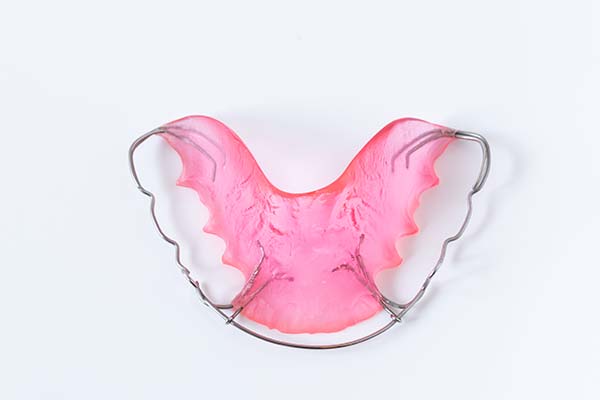
In some pediatric orthodontic cases, stainless steel crowns are used as space maintainers or as anchorage units. These crowns can be adapted to include orthodontic attachments or bands, which help align teeth and correct bite issues. Because of their strength and compatibility with orthodontic appliances, stainless steel crowns are a trusted option in comprehensive pediatric treatment plans.
Who is a good candidate?
Children with extensive tooth decay, weakened teeth after baby root canal therapy, or certain developmental conditions are often ideal candidates for stainless steel crowns. These crowns offer full-coverage protection when a filling is not strong enough to restore the tooth’s structure.
Stainless steel crowns are also useful in cases where orthodontic treatment is planned or underway. They can help maintain proper spacing in the dental arch and serve as stable anchors for orthodontic appliances, supporting long-term alignment and oral health goals.
Learn more in a consultation
Interested in learning more about stainless steel crowns? Reach out to our team at Precision Orthodontics & Pediatric Dentistry for a consultation today. A pediatric dental or orthodontic consultation offers an opportunity to evaluate your child’s dental condition and create a customized treatment plan that preserves oral health and promotes optimal development.
Request an appointment here: https://www.orthodonticprecision.com or call Precision Orthodontics & Pediatric Dentistry at (703) 391-8800 for an appointment in our Reston office.
Check out what others are saying about our dental services on Yelp: Dental Crowns and Dental Bridges in Reston, VA.
Recent Posts
Your orthodontist has many options and approaches available to straighten your teeth and correct other issues. You can have peace of mind to know that each solution can be effective and help you to achieve a new smile. You can then feel good about your appearance and have more self-esteem. If part of your treatment…
Can treatment from an orthodontist help with daily functions such as speaking and chewing? Read on to learn more. Bite correction from an orthodontist has several health benefits, including enhanced aesthetics, clearer speech, and improved chewing, biting, and jaw functions. This type of dental specialist can help you figure out whether your bite is misaligned…
An orthodontist might recommend devices like braces or clear aligners to help straighten your teeth. Both of these appliances work by applying a gentle, constant force on teeth, slowly moving them to a better position over the course of your treatment. Orthodontic issues are pretty common, and the American Association of Orthodontics states up to…
Are you thinking of visiting an orthodontist to treat your smile? There are various problems that can hamper your appearance and make you feel embarrassed. If you have crowded teeth, you may want to know what is causing this issue. An orthodontic professional can help resolve any concerns you have and give you the information…