 Maintaining the position of the teeth after orthodontic treatment requires the use of dental
retainers. Read on to learn about the different types of retainers available. As soon as the braces or aligners come off, your teeth will begin repositioning themselves to where they were before treatment. To avoid relapse, you should use retainers. They are unique to each patient's mouth and ensure that your smile will look great and remain well-aligned for several years to come.
Maintaining the position of the teeth after orthodontic treatment requires the use of dental
retainers. Read on to learn about the different types of retainers available. As soon as the braces or aligners come off, your teeth will begin repositioning themselves to where they were before treatment. To avoid relapse, you should use retainers. They are unique to each patient's mouth and ensure that your smile will look great and remain well-aligned for several years to come.
The different types of retainers after orthodontic treatment
An imprint of the patient's teeth in their present position (post orthodontic treatment) is needed to create a retainer. Plaster impressions or molds of the teeth are then made to replicate their precise form and position. It all depends on the kind of retainer option the orthodontist recommends — the retainer may be created in the dental office in as little as 30 minutes or in a dental lab using the mold. The latter takes about a week.
Retainers come in a variety of forms, each serving a specific purpose. During a consultation with the orthodontist, they will go over all of the choices and help patients choose the ideal retainer for their situation.
Clear retainer
Clear retainers are the most popular form of retainer. After completing orthodontic treatment, the retainers are generally created the same day. The plaster cast of the teeth is produced using a plastic substance. The creation process means getting a replacement is also just as convenient.
Hawley retainers
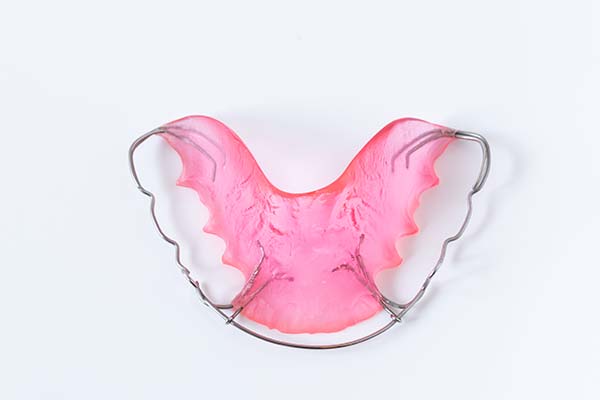
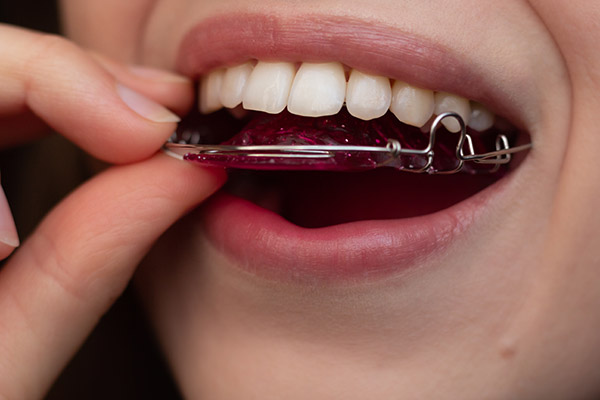
Previously, Hawley retainers were a frequent post-orthodontic treatment option. The retainer consists of a wire attached to the front of the teeth, and an acrylic substance is used for the palate. A Hawley retainer is identical to a clear retainer in terms of functionality, but it is more obvious.
Fixed retainers
The orthodontist bonds a thin wire to the rear side of the front teeth to produce fixed or bonded retainers. It is called a fixed retainer because it is only removable by the orthodontist, not the patient. Parents of young patients may find fixed retainers appealing since they are pleasing and cannot be misplaced, but they might be more time-consuming to care for and maintain.
Keeping the retainers in top shape
After completing orthodontic treatment, patients will be required to wear a retainer consistently. They should be taken off only while eating, drinking, or engaging in physical activity. Periodically, the orthodontist will check the retainer wear to see whether it has settled in. After that, the retainers can be worn solely at night when sleeping.
Use warm (not hot) soapy water and a soft sponge to clean removable retainers. Brush and floss the bonded retainers regularly. Keep the detachable retainers in a secure, dry location in a protective case.
In Conclusion
Relapse is more probable if you do not use a retainer for an extended period. If you misplace or break the retainers, please get in touch with the dental office right away to arrange for a replacement or repair.
Request an appointment or call Precision Orthodontics & Pediatric Dentistry at 703-391-8800 for an appointment in our Reston office.
Recent Posts
Your orthodontist has many options and approaches available to straighten your teeth and correct other issues. You can have peace of mind to know that each solution can be effective and help you to achieve a new smile. You can then feel good about your appearance and have more self-esteem. If part of your treatment…
Can treatment from an orthodontist help with daily functions such as speaking and chewing? Read on to learn more. Bite correction from an orthodontist has several health benefits, including enhanced aesthetics, clearer speech, and improved chewing, biting, and jaw functions. This type of dental specialist can help you figure out whether your bite is misaligned…
An orthodontist might recommend devices like braces or clear aligners to help straighten your teeth. Both of these appliances work by applying a gentle, constant force on teeth, slowly moving them to a better position over the course of your treatment. Orthodontic issues are pretty common, and the American Association of Orthodontics states up to…